



How To Improve Tenant Retention In Single-Family Rentals
Think about your best tenant: pays on time, treats the property well, never causes problems. Now picture them leaving because a maintenance request went unanswered for two weeks. That is not a lease issue. That is an operations issue.
HomeRiver Group has been built on the belief that tenant retention strategies live in the details of every interaction, not just at renewal time. With over 20,000 homes managed across 60+ markets, we have seen exactly what keeps good tenants in place and what quietly pushes them out.
This piece covers both.
The Real Cost Of Losing A Good Tenant
Tenant turnover is one of the most expensive events in a rental property's lifecycle, and most owners only see part of the bill. Understanding the full cost reframes retention as a financial priority.
Vacancy Costs That Go Beyond A Missed Rent Check
Every day a unit sits empty is lost revenue that cannot be recovered. In most markets, single-family vacancy periods run two to four weeks at a minimum, and longer if the property needs work before it can be shown. Marketing costs, utility coverage during vacancy, and potential price reductions to attract a new tenant quickly all compound the financial impact.
Turnover Expenses Most Landlords Underestimate
Beyond vacancy, turnover triggers a predictable set of costs: professional cleaning, paint touch-ups, carpet cleaning or replacement, lock rekeying, and move-out repairs. A single turnover on a mid-range single-family rental can easily run $2,000 to $4,000 before the unit is re-leased, making how to keep tenants longer one of the most important financial questions a landlord can ask.
How Retention Rates Affect Long-Term Portfolio Performance
An owner who retains tenants for two or three lease terms instead of one avoids multiple turnover cycles, maintains consistent cash flow, and builds a track record of stable occupancy. Strong retention is one of the clearest indicators of a well-run property built around managing rental properties with long-term performance in mind.

What Drives Tenants To Stay Or Leave
Retention is not about offering the lowest rent or the newest finishes. It comes down to how tenants feel about their day-to-day experience living in the property.
The Maintenance Experience As A Retention Factor
Maintenance responsiveness is the most cited driver of tenant dissatisfaction and early departure. When a repair request goes unacknowledged or drags on without updates, tenants feel ignored, and that feeling colors the entire tenancy. A fast, professional maintenance response is one of the highest-leverage renter-retention tips available to any landlord, at any price point.
How Communication Patterns Shape Tenant Loyalty
Tenants who hear from their landlord only when something goes wrong are far less likely to renew. Regular, respectful communication builds the kind of trust that makes staying feel natural. Tenant satisfaction rental outcomes are closely tied to how valued residents feel throughout the tenancy, not just at move-in.
Lease Renewal Timing And How It Influences Decisions
Most tenants who leave do so because they have had time to look elsewhere. Starting renewal conversations 90 days before lease expiration gives tenants less runway to explore alternatives and signals that their tenancy is valued. Late renewal outreach creates a decision vacuum that competing listings are happy to fill.
Practical Retention Strategies That Work In Single-family Rentals
The most effective strategies to reduce tenant turnover single-family rentals are not expensive; they are consistent. Small, deliberate actions across the tenancy lifecycle make a measurable difference in renewal rates.
- Annual Property Walkthroughs: Scheduled inspections signal care and catch issues before tenants feel the need to complain or consider leaving.
- Proactive Maintenance Outreach: Checking in on HVAC filters and seasonal systems before tenants report issues builds significant goodwill.
- Renewal Incentives That Matter: A small rent freeze, a minor upgrade, or a flexible renewal term can tip a decision to stay without high cost to the owner.
- Responsive Communication Standards: Setting and meeting a clear response window for tenant inquiries reduces frustration and demonstrates professionalism.
- A Clean, Well-Maintained Property: Regular upkeep signals that the owner takes the property seriously, which tenants tend to reciprocate.
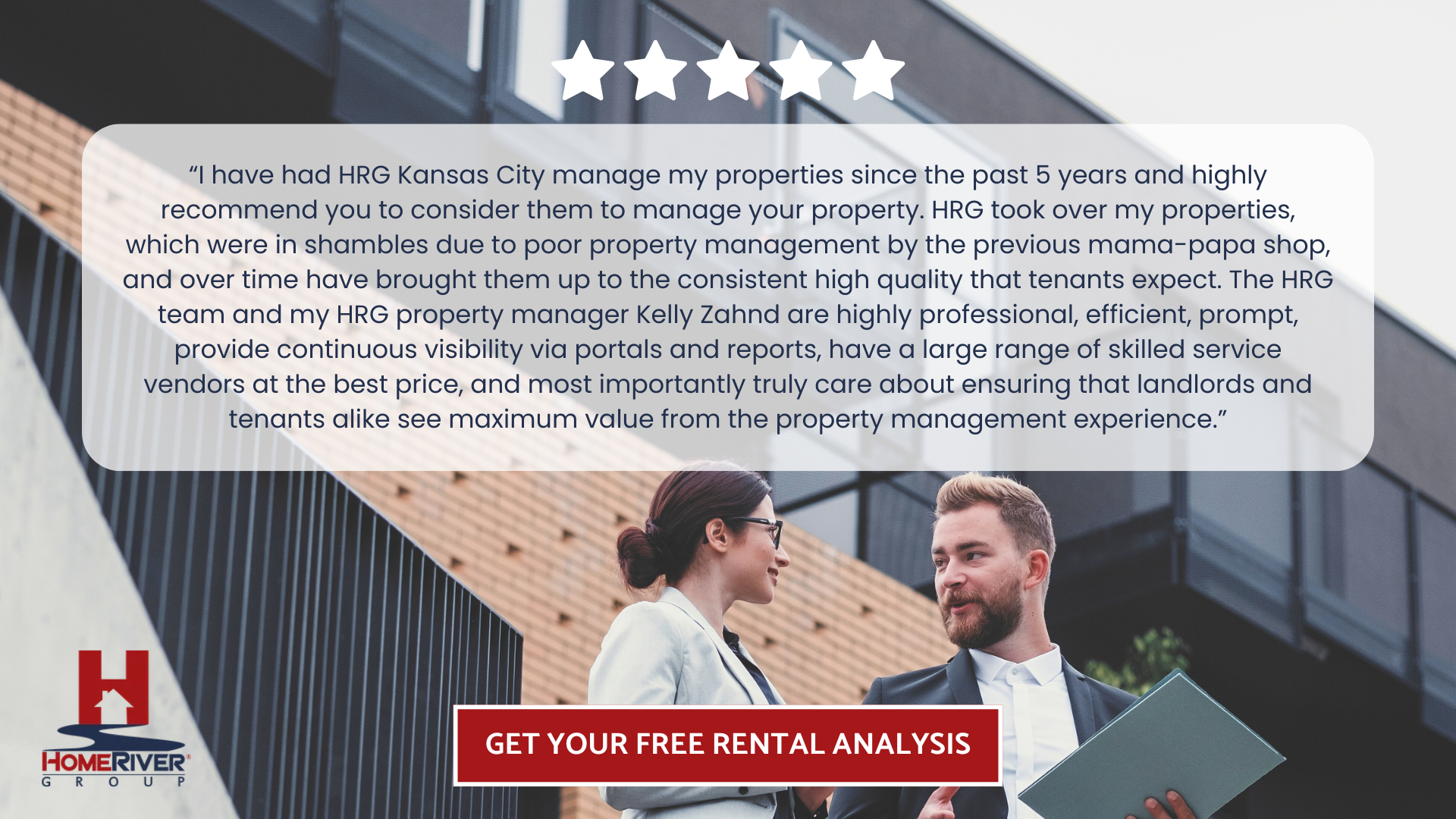
How Property Management Strengthens Tenant Retention
There is a direct connection between the quality of a management operation and the lower vacancy rates landlords consistently experience. Professional management introduces the systems and consistency that retention depends on.
Consistency Tenants Can Count On
A professionally managed property delivers the same standard of service whether a tenant submits a maintenance request on a Tuesday or a Sunday evening. That consistency is difficult to replicate in self-managed portfolios and is one of the primary reasons why professional property managers matter for owners who want retention to be reliable rather than accidental.
Systems That Reduce Friction At Every Touchpoint
Online rent payment, digital maintenance submission, and clear communication channels remove the small daily frictions that quietly erode tenant satisfaction. These are baseline expectations for modern renters and a standard part of what do property management companies do.
The Retention Advantage Of A Dedicated Management Team
Tenants do not just stay for the property; they stay because the experience feels supported. Owners who want that relationship built into their rental from the start can find a practical framework in How to Rent Out Your House With Property Management.
Tracking Retention And Knowing When To Adjust
Good retention management requires ongoing measurement and honest evaluation to stay effective over time.
- Track Renewal Rate By Property: A renewal rate below 60% warrants investigation into maintenance history, communication quality, and pricing.
- Monitor Average Tenancy Length: Shorter average tenancies signal a systemic issue in property condition, responsiveness, or market pricing.
- Collect & Review Exit Feedback: Departing tenants often share the real reason they left, and that information is directly actionable.
- Benchmark Against Local Market Vacancy: Comparing your vacancy rate to similar properties reveals whether a retention problem is property-specific or market-driven.
- Reassess Rent Pricing Annually: Retention suffers when rents rise faster than the market can support. Annual pricing analysis keeps renewals competitive.

Final Thoughts
Tenant retention in single-family rentals is not a passive outcome. It is the product of deliberate systems, consistent communication, and a management approach that treats every tenancy as a relationship worth protecting.
At HomeRiver Group, retention is built into how we manage every property we take on. From proactive maintenance and timely renewal outreach to the daily responsiveness that keeps tenants satisfied, our full-service approach is designed to keep great renters in place.
Exceptional service with local expertise is what makes that possible across every market we serve. If keeping good tenants is a priority for your portfolio, connect with HomeRiver Group today.
Frequently Asked Questions About Tenant Retention Strategies
What is the average cost of tenant turnover for a single-family rental?
Turnover typically costs landlords between $2,000 and $4,000 per vacancy when accounting for cleaning, repairs, and lost rent.
How far in advance should landlords send lease renewal notices?
Sending renewal notices 90 days before lease expiration reduces the tenant's window to explore competing listings.
Does rent price affect tenant retention in single-family rentals?
Yes. Rent increases that outpace the local market are a leading driver of non-renewal, especially among long-term tenants.
What maintenance practices improve tenant retention the most?
Fast response times, proactive seasonal upkeep, and clear communication on repair status are most linked to renewal decisions.
Can small upgrades during a tenancy improve renewal rates?
Yes. Minor improvements like updated fixtures or fresh paint signal investment in the property and increase tenant satisfaction.
How does a property manager support tenant retention?
Professional managers deliver consistent communication, fast maintenance response, and structured renewal outreach that makes tenants more likely to stay.
Is tenant retention more important than finding new tenants quickly?
Retaining a quality tenant is almost always more cost-effective than sourcing a new one, given the combined costs of vacancy and turnover.