



Every agent who works with investors eventually hears some version of the same pushback: I can handle it myself, the fees are not worth it, or I tried a property manager once, and it did not go well. These are not dead ends. They are openings. Knowing how to respond to investor objections to hiring a property manager is one of the highest-value skills an agent in the investor space can develop.
At HomeRiver Group, we work with agents across more than 60 markets, and our teams have heard every version of this conversation. We have seen what moves investors from hesitant to confident, and we have built our agent program to support those moments.
This piece covers the most common objections, how to address each one, and how to turn the conversation into a deeper client relationship.
 |
Why Investor Objections To Property Management Are Worth Taking Seriously
Dismissing an investor's hesitation rarely works and often backfires. Understanding what sits behind each objection is where the real conversation begins.
The Real Concerns Hiding Behind Common Objections
Most objections to property management are not really about the fees or the loss of control. They are expressions of uncertainty. The investor is asking whether a property manager will care about their asset the way they would, whether the cost will erode their returns, and whether the experience will be better than managing it themselves. Agents who hear the concern beneath the objection respond more effectively than those who treat it as a negotiation to win.
How An Agent's Response Shapes The Entire Relationship
The way an agent handles this conversation signals something important to the investor. An agent who dismisses the concern loses credibility. One who engages thoughtfully, presents real data, and connects the investor with a trusted management partner demonstrates the kind of advisory depth that turns a transactional client into a long-term one.
Agents wanting to sharpen that conversation can find practical framing in How to Have 'The Property Management Conversation' with Your Investment Clients.
The Most Common Objections And How To Address Each One
Each objection has a specific concern at its core. Addressing that concern directly, with evidence rather than persuasion, is what shifts the investor's position.
"I Can Manage It Myself And Save The Fees"
This is the most common objection and the one most easily addressed with a time and cost analysis. Self-managing landlords spend an average of several hours per month per property on tenant communication, maintenance coordination, rent collection, and compliance. When that time is valued honestly against the management fee, the economics of self-management rarely hold up. The hidden costs of vacancy, poor tenant selection, and deferred maintenance add further weight to the professional management side of the calculation.
"I Do Not Want To Lose Control Of My Property"
This objection reflects a misunderstanding of what professional management actually involves. A good property manager does not replace the owner's judgment. They execute on it. Owners set the parameters for tenant approval, maintenance thresholds, and financial reporting frequency. The property manager operates within those parameters and keeps the owner informed. Agents can address this concern by walking the investor through exactly what decisions remain theirs and which are delegated, making the division of responsibility concrete rather than abstract.
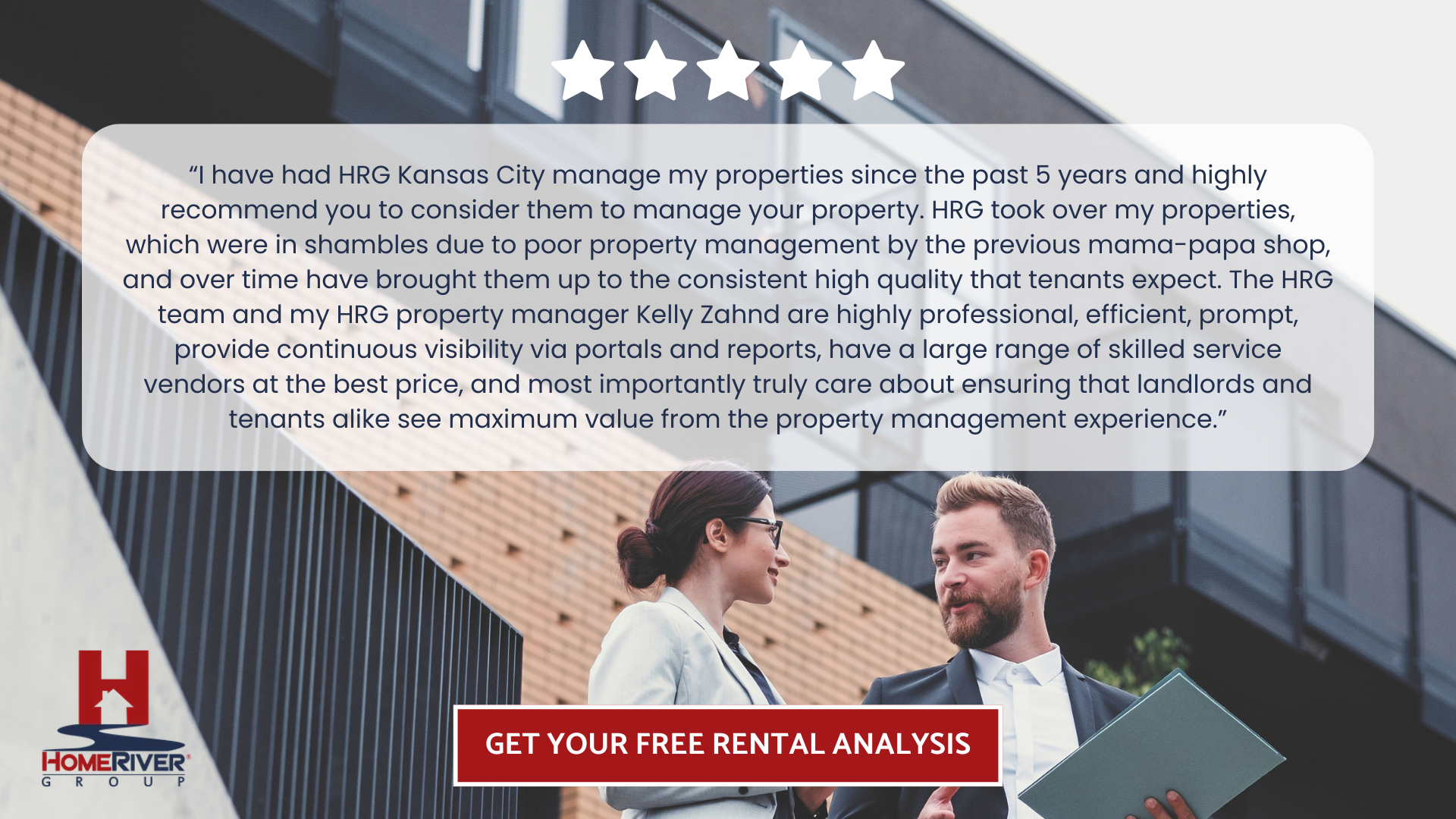
"I Have Had A Bad Experience With A Property Manager Before"
This objection deserves the most careful response because it is grounded in real experience. Acknowledging the frustration before presenting an alternative is essential. The follow-up question that matters is: what specifically went wrong? Poor communication, slow maintenance response, and inadequate tenant screening are the most common complaints, and each one is addressable by choosing a management partner with documented processes in those areas. The experience that created the objection is often the clearest argument for choosing a better partner rather than abandoning professional management entirely.
 |
Reframing The Cost Conversation Around Real Numbers
The fee objection persists because most investors evaluate management cost in isolation. Reframing it within the full financial picture changes the calculation entirely.
What DIY Management Actually Costs When Every Hour Is Accounted For
Property management sales objections around cost dissolve when the true cost of self-management is laid out clearly. A landlord spending five hours per month on management tasks at a conservative professional rate is already approaching the cost of a management fee, before accounting for the financial impact of a single extended vacancy or a poorly screened tenant. Agents who present this comparison with specific numbers rather than generalities are far more persuasive than those who simply argue that management is worth it.
The full picture of those hidden costs is covered in The Hidden Costs of DIY Property Management.
Shifting The Investor's Focus From Expense To Return On Investment
A management fee that reduces vacancy by even a few weeks per year pays for itself in most markets. Add the impact of professional tenant screening on tenant quality and lease compliance, and the fee becomes a return driver rather than a cost line. Agents who frame the conversation this way give investors a financial framework that makes the decision straightforward rather than emotional.
Turning Objection Handling Into A Competitive Advantage
Agents who navigate this conversation well do not just close a referral. They establish themselves as the advisor investors return to when decisions get complicated.
How Agents Who Navigate This Conversation Well Become Trusted Advisors
An investor who felt heard, received honest analysis, and was connected with a property manager who delivered on the promise remembers that experience. The ability to convince a client to hire a property manager through genuine advisory depth rather than a sales pitch is what separates agents who build compounding investor relationships from those who remain transaction-focused. They come back for the next acquisition, refer others in their network, and treat the agent as a strategic partner rather than a transaction facilitator.
Why The Right Property Management Partner Makes The Conversation Easier
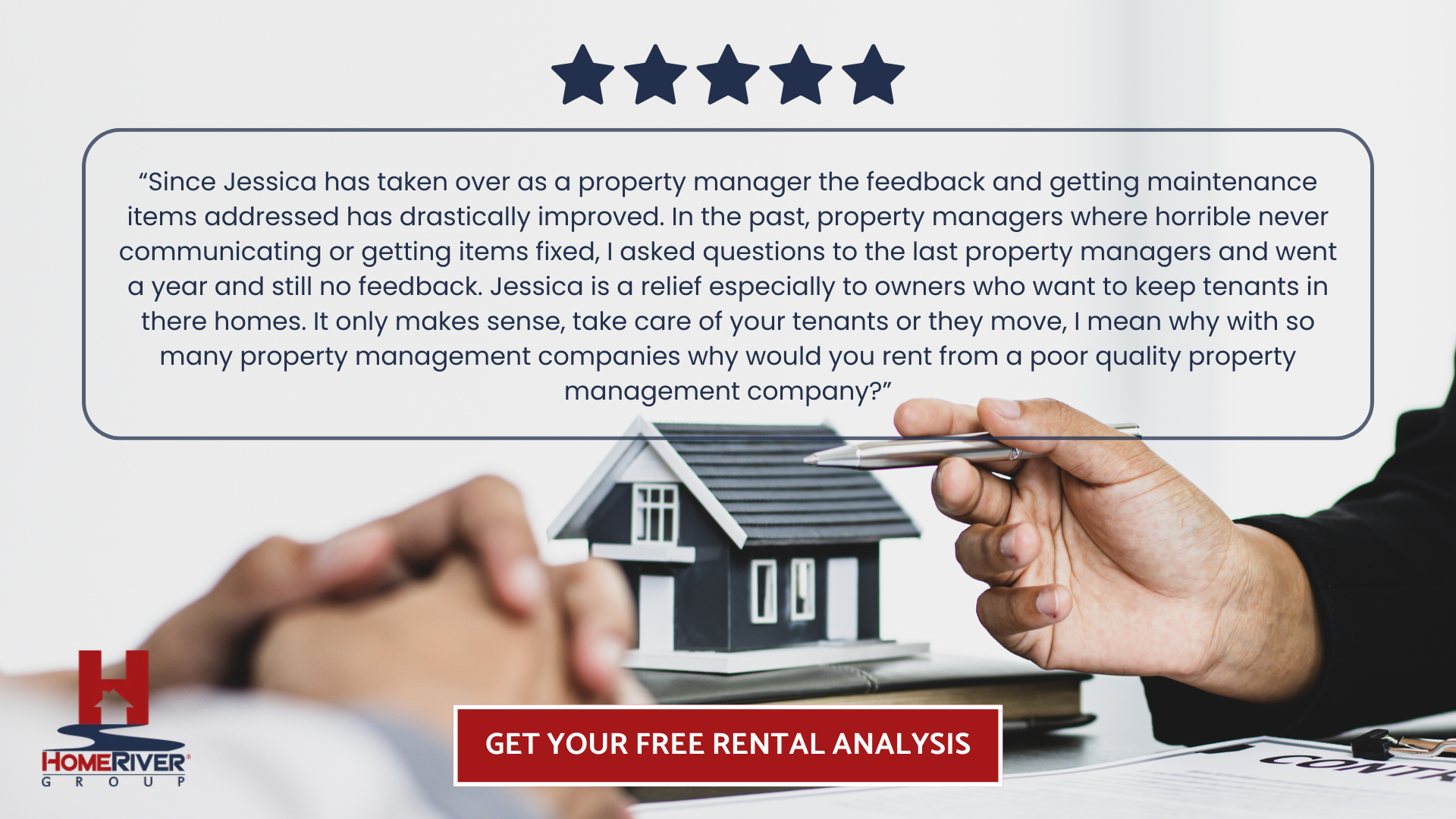
When an agent has a trusted property management partner whose track record speaks for itself, the objection conversation becomes significantly easier. The agent is not asking the investor to take their word for it. They are offering a concrete solution backed by demonstrated performance.
Agents ready to bring that kind of confidence to their investor conversations can get started through the Agent Referrals page, and those who want to connect directly are welcome to contact us.
 |
Final Thoughts
Investor objections to property management are not obstacles. They are invitations to demonstrate advisory depth that most agents never develop. Handled well, these conversations build the kind of trust that turns a single transaction into a years-long client relationship.
HomeRiver Group gives agents the tools, the track record, and the management infrastructure to back up every recommendation they make.
Your property is our priority, and so is the confidence you bring to every investor conversation. If you are ready to handle these objections with a partner worth recommending, HomeRiver Group is here.
Frequently Asked Questions About Investor's Objections To Hiring A Property Manager
How should an agent respond if an investor insists they prefer self-management?
Respect the preference, present the cost comparison honestly, and leave the door open for when circumstances change.
Can an agent refer a client to property management after a bad past experience with another manager?
Yes. Addressing what went wrong and presenting a vetted alternative is often more persuasive than introducing management for the first time.
What is the most effective way to present management fees to a skeptical investor?
Show the fee as a percentage of gross rent alongside the financial impact of reduced vacancy and better tenant retention.
Does HomeRiver Group provide agents with talking points or materials for these investor conversations?
Yes. HomeRiver Group's agent program includes resources to help agents confidently communicate the value of professional management.
How do investors typically respond after experiencing professional management for the first time?
Most investors who transition from self-management to professional management report reduced stress and improved property performance.
At what point in the investor relationship should an agent introduce the property management conversation?
Ideally, before the purchase closes, the investor enters ownership with a management plan already in place.