

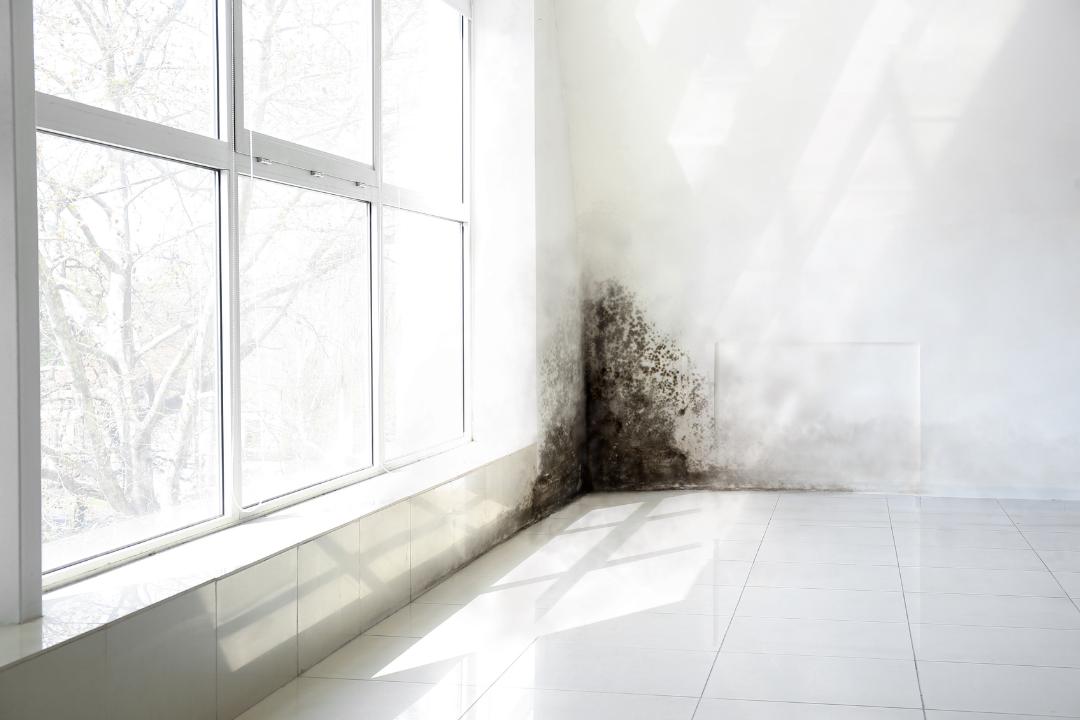
Mold in rental property is a common issue that can quickly turn into a costly and disruptive problem. It often develops in areas with excess moisture, poor ventilation, or undetected leaks. For renters, mold can affect indoor air quality and overall comfort. For property owners, it can lead to repair expenses, tenant complaints, and potential liability concerns. Addressing mold early and understanding how to prevent it is essential to protecting both the property and the people living in it.
At HomeRiver Group, we manage over 20,000 homes across more than 60 markets nationwide. Our national platform combines local expertise with centralized operations, giving property owners and residents access to consistent systems, professional oversight, and proactive maintenance practices. With comprehensive services that include acquisition, renovation, leasing, management, and maintenance, we approach property care with a focus on long-term asset protection and operational excellence.
In this piece, we will be discussing mold in rental property, including its causes, prevention strategies, remediation steps, and the role professional property management plays in protecting your investment.
Why Mold in Rental Property Is a Serious Concern
Mold in rental property is more than a cosmetic issue. It can spread quickly through drywall, insulation, carpeting, and HVAC systems when moisture is left unchecked. What may begin as a small patch in a bathroom or under a sink can develop into a larger structural concern that requires extensive repairs. In multi-unit settings, mold can even affect neighboring units if not addressed promptly.
Health implications are another serious consideration. Exposure to mold spores may contribute to respiratory irritation, allergy symptoms, headaches, and other health concerns, particularly for children, older adults, and individuals with asthma. When residents raise concerns about indoor air quality, timely investigation and action are critical to maintaining trust and habitability standards.
From an ownership perspective, mold can also carry financial and legal risks. Repair costs, temporary relocations, potential code violations, and disputes over responsibility can all arise if the issue is ignored. Understanding the seriousness of mold growth encourages proactive prevention and clear response protocols before a minor moisture problem becomes a major liability.

Common Causes Of Mold In Rental Homes
Mold in rental property typically develops because of preventable moisture issues within the home. Identifying the root cause is the first step toward protecting both the structure and the residents living inside it. The most common contributing factors include the following:
Water Leaks And Plumbing Failures
Leaking pipes, faulty water heaters, roof damage, and appliance malfunctions are leading causes of mold growth. Even slow, hidden leaks behind walls or beneath flooring can create the damp environment mold needs to spread. Regular inspections and timely repairs are essential parts of effective rental property maintenance, which plays a direct role in reducing moisture related risks.
Poor Ventilation And Humidity Control
Bathrooms, kitchens, and laundry rooms generate high levels of moisture. Without proper ventilation systems such as exhaust fans or adequate airflow, humidity can linger and settle into walls and ceilings. Over time, excess humidity creates ideal conditions for mold to form, especially in climates with frequent rainfall or high seasonal humidity.
Tenant Habits And Everyday Moisture Buildup
Daily activities such as long hot showers, drying clothes indoors, or failing to report small leaks can contribute to mold growth. Condensation on windows and walls may seem minor but can lead to recurring moisture problems if not addressed. Clear communication between residents and management helps identify these risks early and supports long term property preservation.
Understanding Landlord And Tenant Responsibilities
Mold in rental property often raises questions about who is responsible for prevention and repair. Clear expectations between landlords and tenants help reduce disputes and encourage faster resolution when moisture issues arise. Responsibility typically depends on the source of the problem and how quickly it is reported:
Landlord Maintenance Obligations
Property owners are generally responsible for maintaining the structural integrity of the home, including roofing, plumbing, and ventilation systems. If mold develops due to a leaking pipe, roof failure, or poor construction, the responsibility usually falls on the landlord to correct the issue and remediate the damage. Understanding landlord maintenance responsibilities is critical to staying compliant with local housing regulations and habitability standards.
Tenant Duty To Report And Maintain Cleanliness
Tenants play an important role in preventing mold by keeping the property clean and promptly reporting leaks or water intrusion. Failing to notify management about a plumbing drip or water stain can allow a small issue to escalate into significant damage. Lease agreements often outline these reporting requirements to protect both parties.
Shared Responsibility And Documentation
In some situations, mold results from a combination of structural issues and occupant behavior. Clear documentation, regular inspections, and written maintenance requests help determine the source and timeline of the problem. Open communication and defined processes reduce misunderstandings and create a more efficient path toward resolution.
Proactive Strategies To Prevent Mold Growth
Preventing mold in rental property requires consistent oversight and routine property care. Small preventive actions can significantly reduce the likelihood of moisture related damage. Effective prevention strategies often include the following:
Routine Inspections And Seasonal Maintenance
Regular property inspections help identify leaks, drainage issues, and ventilation concerns before mold develops. Gutter cleaning, roof checks, and HVAC servicing are especially important during seasonal transitions. Implementing seasonal maintenance for rentals supports early detection and reduces the risk of long term moisture buildup.
Prompt Repair Of Water Intrusion
Addressing plumbing leaks, roof damage, and appliance malfunctions quickly limits the opportunity for mold to grow. Delays in repair allow moisture to settle into building materials, making remediation more complex and costly. Establishing clear procedures for emergency maintenance helps ensure urgent issues are resolved without unnecessary delay.
Educating Residents On Moisture Control
Residents benefit from guidance on everyday moisture prevention practices such as using exhaust fans, avoiding indoor clothes drying, and reporting condensation concerns. Providing simple instructions at move in can reduce misunderstandings and support property preservation. A collaborative approach between management and residents strengthens long term prevention efforts.
Steps To Remediate Mold In A Rental Property
Even with strong prevention efforts, mold in rental property can still occur. A structured response plan helps minimize damage and protect residents. Effective remediation typically involves the following steps:
Inspecting And Identifying The Source
The first step in remediation is a thorough inspection to determine the extent of the mold growth and locate the moisture source. Simply cleaning visible mold without addressing the underlying leak or humidity issue will not solve the problem. A professional assessment may be necessary to evaluate hidden areas behind walls or under flooring.
Containment And Safe Removal
Once identified, affected areas should be contained to prevent spores from spreading to other parts of the property. Depending on the severity, remediation may involve removing contaminated materials such as drywall or carpeting and using specialized cleaning solutions. Following established safety protocols protects both residents and maintenance personnel during the process.
Communication And Resident Support
Clear communication with tenants during remediation is essential to maintaining trust. Property owners and managers should outline timelines, safety measures, and any temporary relocation needs if required. Having established procedures for how to handle tenant complaints can make the process more organized and reduce confusion during repairs.
How Professional Property Management Supports Mold Prevention
Managing mold in rental property requires coordination, documentation, and consistent follow through. Professional oversight helps reduce risk by putting structured systems in place. Effective property management support often includes the following:
Centralized Maintenance Systems
A centralized maintenance platform allows repair requests to be tracked, prioritized, and completed efficiently. Quick response times reduce the chance that minor moisture issues will escalate into larger mold problems. Ongoing rental property maintenance programs create accountability and help protect the condition of each home over time.
Vendor Coordination And Quality Control
Working with licensed and insured vendors supports proper remediation practices and code compliance. Professional property management teams coordinate inspections, obtain repair estimates, and oversee the completion of work to maintain consistent standards. This level of oversight reduces the likelihood of incomplete repairs that could lead to recurring mold growth.
Proactive Asset Management
Beyond handling individual incidents, professional managers evaluate long term property performance and risk exposure. Routine reporting, scheduled inspections, and preventative planning all contribute to early detection of moisture concerns. At HomeRiver Group, our national platform and local expertise allow us to apply consistent best practices across the more than 20,000 homes we manage nationwide.

Final Thoughts
Mold in rental property can impact health, property value, and long term investment performance. Taking a proactive approach through inspections, maintenance, and clear communication reduces the likelihood of costly remediation. Prevention remains far more manageable than addressing widespread damage after it has developed.
Property owners who establish defined maintenance systems and response protocols place themselves in a stronger position to protect both residents and assets. Clear roles, documented processes, and consistent oversight create stability when moisture issues arise. Professional management can help streamline these efforts while maintaining compliance with housing standards.
At HomeRiver Group, we combine local market expertise with centralized operations to support comprehensive property care across more than 20,000 homes nationwide. From preventative maintenance to coordinated remediation, our goal is to help owners preserve property condition while providing residents with professionally managed homes. If you are looking to strengthen your property maintenance strategy, connecting with an experienced management team can be a practical next step.
Frequently Asked Questions About Mold In Rental Property
Can mold in rental property affect lease agreements?
Yes. Severe or unresolved mold issues may impact habitability standards, which can influence lease enforcement depending on local laws. If a property is deemed uninhabitable due to mold, tenants may have legal remedies, and landlords may be required to take corrective action within a specific timeframe.
Is mold testing always required in a rental home?
Mold testing is not always mandatory, but it can be helpful in situations where the source or severity is unclear. Professional testing may identify hidden contamination or confirm air quality concerns, especially if residents report ongoing health symptoms.
How quickly can mold grow after a water leak?
Mold can begin developing within 24 to 48 hours after moisture exposure under the right conditions. Prompt drying and repair significantly reduce the likelihood of growth following plumbing failures or storm related water intrusion.
Are certain climates more prone to mold in rental property?
Yes. Properties located in humid, coastal, or high rainfall regions face greater risk due to elevated moisture levels. Homes in these areas may require more frequent inspections and humidity control measures.
Does renters insurance cover mold damage?
Coverage depends on the policy and the cause of the mold. If mold results from a covered event such as sudden water damage, some policies may provide protection. Mold caused by neglect or long term moisture issues is often excluded.
What documentation should landlords keep regarding mold issues?
Landlords should maintain records of inspection reports, maintenance requests, repair invoices, and communication with tenants. Proper documentation helps demonstrate compliance with housing standards and supports transparency if disputes arise.
Can renovations increase the risk of mold in rental homes?
Renovations can temporarily increase moisture exposure if materials are not properly dried or protected. Construction projects should include moisture control planning to prevent mold from forming behind new walls, flooring, or fixtures.