


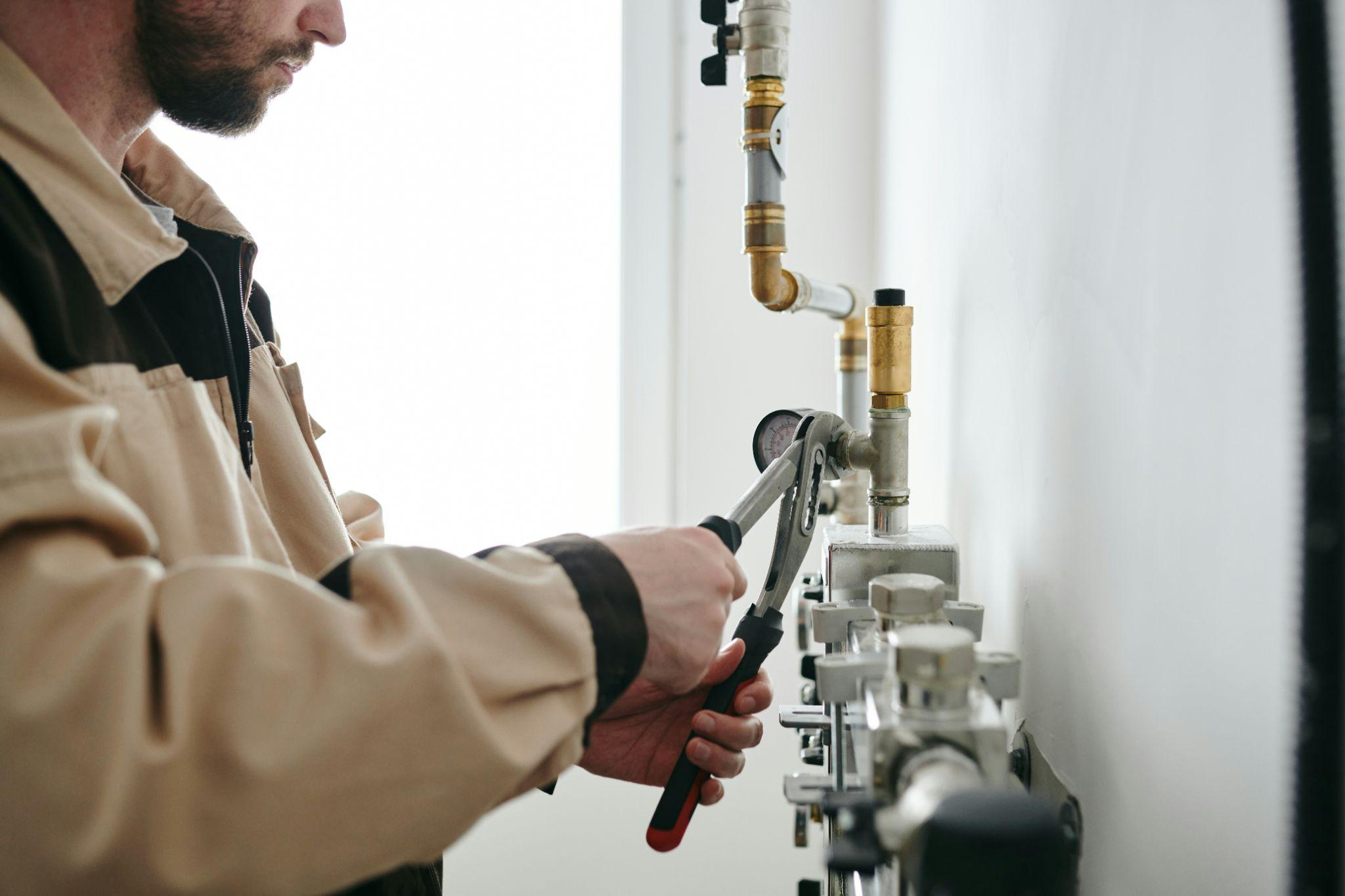
Preventive vs. Reactive Maintenance: Which Approach Saves Landlords More
Every landlord eventually faces the same decision: address maintenance on a schedule or wait until something breaks. One approach feels like spending money when nothing seems wrong. The other feels efficient right up until a small problem becomes an expensive emergency.
At HomeRiver Group, we manage over 20,000 homes across more than 60 markets, and the data is consistent, landlords who invest in preventive maintenance rental property strategies spend less, stress less, and retain tenants longer.
This piece breaks down the real cost difference between the two approaches, what each looks like in practice, and how to build a maintenance strategy that protects your investment for the long term.
The True Cost Difference Between Fixing Problems And Preventing Them
The financial gap between proactive and reactive maintenance is not theoretical. It shows up in repair invoices, vacancy costs, and tenant turnover rates.
What Reactive Maintenance Actually Costs Landlords Over Time
Reactive maintenance is expensive in ways that extend well beyond the repair bill itself. Emergency service calls carry premium rates. Tenants who wait days for a resolution grow frustrated and may choose not to renew. Damage that spreads before it is addressed, a slow leak becoming water damage, a worn seal becoming a mold issue, significantly increases the original repair scope. The cost of deferred maintenance compounds quietly until it cannot be ignored, and by that point, the bill reflects not just the original problem but everything it affected along the way.
How Preventive Maintenance Reduces Emergency Spend
Scheduled maintenance intercepts problems at their earliest stage. An HVAC service call that costs a few hundred dollars prevents a full system replacement that can run several thousand. A roof inspection that catches two missing shingles avoids the interior water damage that follows a wet season. Proactive property maintenance is a savings mechanism with a measurable return. Landlords who track repair spend year over year consistently find that preventive investments reduce total maintenance costs rather than adding to them.
What A Preventive Maintenance Plan Looks Like In Practice
Understanding the value of prevention is one thing. Knowing what it actually requires in day-to-day property ownership is where most landlords need clarity.
The Routine Tasks That Keep Small Issues From Becoming Big Repairs
A functional preventive maintenance plan covers both scheduled system servicing and regular property walkthroughs. Core tasks that belong on every landlord's calendar include:
- HVAC filter replacements and annual professional servicing before peak seasons
- Gutter cleaning twice per year to prevent water intrusion and foundation issues
- Annual roof inspections to catch weather damage before it progresses
- Water heater flushing to extend system life and maintain efficiency
- Caulking and weatherstripping checks to control energy costs and moisture entry
- Smoke and carbon monoxide detector testing at every lease renewal or inspection
These are not complex tasks. Their value comes entirely from consistency.
Scheduling Maintenance Around Tenant Occupancy
Timing matters as much as the tasks themselves. Preventive work scheduled during turnover periods minimizes disruption and allows for more thorough access to the property. Mid-lease inspections should be planned with adequate tenant notice and focused on system checks rather than cosmetic assessments. Landlords who coordinate maintenance schedules around lease cycles find that both tenants and vendors are more cooperative and that fewer items are missed.
Reviewing how property management works gives owners a clearer picture of how professional teams build these cycles into a structured management calendar.

Where Reactive Maintenance Still Has A Role
A fully preventive approach is the goal, but no maintenance strategy eliminates the need for a reactive response entirely.
Situations Where Reactive Response Is Unavoidable
Some failures cannot be predicted regardless of how diligently a property is maintained. Appliances reach the end of their lifespan without warning. Severe weather causes sudden damage. Tenants accidentally cause issues that no inspection could have anticipated.
In these situations, reactive maintenance is simply the appropriate response to an unpredictable event. The distinction worth drawing is between reactive maintenance as an occasional necessity and reactive maintenance as a landlord's default operating mode. The former is unavoidable. The latter is a choice with a measurable financial penalty.
How To Handle Reactive Repairs Without Derailing Your Budget
When reactive repairs do arise, the landlords who manage them best share one common trait: they already have the right people in place. A pre-vetted vendor network means faster response times, fairer pricing, and work that does not need to be redone. Budget reserves specifically allocated for unexpected repairs also prevent a single emergency from disrupting cash flow across a portfolio.
Preventative vs reactive maintenance planning should always include a contingency fund sized to the age and condition of each property. Landlords who want to understand how emergency situations are handled at a professional level can review the approach to Emergency Maintenance for Rental Properties for a practical benchmark.
Building A Maintenance Strategy That Protects Your Investment Long-Term
The most effective landlords do not choose between preventive and reactive maintenance. They build a system that defaults to prevention and responds efficiently when the unexpected occurs.
Shifting From A Break-Fix Mindset To A Proactive Ownership Approach
The maintenance strategy landlord mindset shift from reactive to proactive, is less about budget and more about perspective. Reactive landlords see maintenance as an interruption. Proactive ones see it as an investment. Properties managed with a long-term lens hold their value better, command stronger rent, and generate fewer tenant complaints. That reputation compounds over time into lower vacancy rates and a more stable income stream.
Landlords building toward a larger portfolio can explore managing rental properties to understand how proactive systems scale across multiple assets.
What A Long-Term Maintenance Budget Should Account For
Landlords serious about protecting their investment should structure their maintenance budget around these categories:
- Routine preventive tasks with fixed annual costs that can be calendared in advance
- A capital reserve for major system replacements based on equipment age and condition
- An emergency fund covering two to three months of average repair spend per property
- Periodic professional inspections to catch items outside a standard owner walkthrough
- Vendor relationship investment, meaning consistent work that keeps trusted contractors engaged
A budget built around these pillars turns rental property maintenance costs from a variable anxiety into a managed line item.
How Homeriver Group's Maintenance Model Supports Owners At Every Level
At HomeRiver Group, maintenance is not reactive by default. Routine inspections, established vendor relationships, and documented repair histories are built into how we manage every property in our portfolio. Owners receive transparent reporting on maintenance activity, and nothing falls through the cracks between seasons. For landlords who want to understand the full picture of professional support, Property Management Services outline what a comprehensive management relationship includes from day one.

Final Thoughts
Preventive maintenance wins on cost, on tenant experience, and on long-term asset value. Reactive maintenance will always have a role, but when it becomes the strategy rather than the exception, the financial consequences are real and cumulative.
HomeRiver Group brings a proactive maintenance model to every property we manage, backed by vetted vendors, seasonal inspections, and transparent owner reporting across more than 60 markets.
Your property is our priority. If you are ready to stop managing maintenance from crisis to crisis and want a team that stays ahead of it, HomeRiver Group is here. Reach out today to get started.
Frequently Asked Questions About Preventive Maintenance Rental Property
Does preventive maintenance actually reduce tenant turnover?
Yes. Tenants who experience prompt, well-maintained properties are significantly more likely to renew their leases.
What is the most important preventive maintenance task for a rental property?
HVAC servicing is consistently the highest-impact preventive task, given the cost of system replacement versus routine upkeep.
How does deferred maintenance affect a rental property's market value?
Deferred maintenance reduces appraised value, limits buyer interest, and can trigger lender concerns during refinancing.
Should landlords hire a professional for all preventive maintenance tasks?
Not always. Some tasks are owner-manageable, but licensed professionals should handle HVAC, electrical, and roofing work.
Does HomeRiver Group handle both preventive and emergency maintenance?
Yes. HomeRiver Group manages routine inspections, scheduled maintenance, and emergency repairs across all managed properties.
How do I know if my current maintenance approach is costing me money?
Track repair spend by category over two or more years. Rising emergency repair costs are a clear signal to shift strategies.