
A rental property that once felt competitive can quickly start to feel outdated as renter expectations evolve. Features like keyless entry, smart thermostats, and connected security systems are increasingly common in listings, making it harder for traditional rentals to stand out. For property owners, the real challenge is deciding which technology upgrades truly improve a property’s appeal and long-term performance.
At HomeRiver Group, we work closely with property owners and residents across numerous rental markets, helping investors evaluate property improvements that support efficient management and a better living experience for tenants. Our experience managing large portfolios gives us practical insight into which upgrades tend to deliver value and which can create unnecessary complexity.
This article explores smart home technology rental property owners may consider, focusing on upgrades that can enhance convenience, support property management, and improve rental performance.
What Is Smart Home Technology In Rental Properties?
Smart home technology in rental properties refers to devices and systems integrated into a home that automate, monitor, and control core functions, all with the user’s convenience and security in mind. In a rental setting, this typically involves installing devices that offer benefits to both tenants and property owners, improving comfort, safety, and efficiency for residents while adding appeal and value for owners. These features are increasingly considered among the amenities that attract renters to properties, particularly as residents expect more connected living environments.
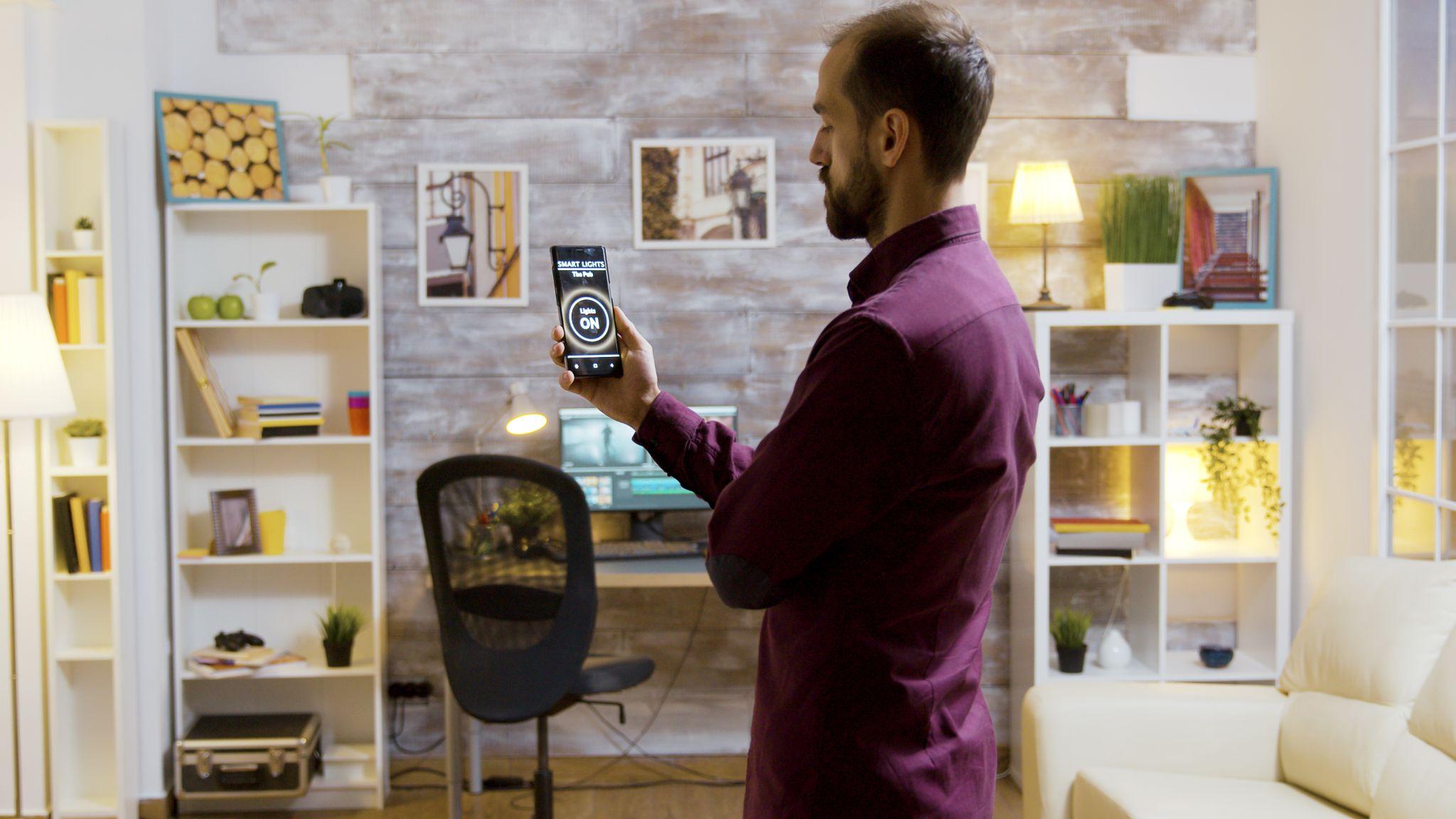
Some of the most common smart home features found in rental properties include smart locks, video doorbells, programmable thermostats, security cameras, and connected lighting. These technologies are mostly managed through mobile apps, giving both residents and property managers easy control over property access and monitoring, no matter where they are.
Importantly, these systems are not just about bells and whistles. They address everyday challenges in property management. Think remote lock changes after a tenant moves out, instant alerts for maintenance issues, or automated lighting and climate control to improve energy efficiency. In today’s rental market, these features are increasingly viewed as standard expectations rather than luxury upgrades, reflecting the shift toward digital-first living and property management.
Benefits Of Smart Technology For Property Owners And Residents
Smart home technology in rental properties enhances convenience, efficiency, and security, delivering clear advantages to both owners and residents.
How Smart Technology Supports Property Management And Oversight
For property owners, integrating smart locks, security cameras, and leak sensors offers a streamlined approach to maintenance and oversight. Remote access and monitoring reduce the need for in-person visits and provide peace of mind, especially when properties are vacant or transitioning between tenants.
Energy Efficiency Benefits Of Smart Home Devices
Increased energy efficiency is another significant advantage. Tools like smart thermostats and lighting systems can cut down utility costs and promote environmentally responsible practices. These features not only attract eco-conscious renters but can also help maintain appliances and lower long-term expenses.
Everyday Convenience And Security For Residents
Residents benefit from the same innovations that appeal to owners. Keyless entry means no more worries about lost keys, while app-controlled lighting and climate systems make everyday living more comfortable and responsive to individual needs. Security improvements, from video doorbells to integrated alarm systems, offer residents greater peace of mind.
How Smart Technology Improves Rental Property Appeal
Moreover, access to these modern amenities often makes properties more attractive in competitive markets. Residents are increasingly looking for homes equipped with the latest technology, and properties that deliver on this front can command higher rents and shorter vacancy periods. Smart home technology is proving to be a mutually beneficial investment, driving satisfaction for both parties.
Which Smart Home Technologies Are Worthwhile?
The right smart home technology can enhance comfort, convenience, and security for both property owners and tenants. Not every innovation is essential, but several investments consistently deliver positive returns in rental properties. Many investors also explore smart upgrades landlords can make to increase rent when deciding which technologies are worth implementing.
Smart Locks And Access Control
Modern security means more than just solid deadbolts. Smart locks enable remote access, timed entry codes, and seamless tenant turnover, all managed via a smartphone or web portal. These systems minimize the hassle of lost keys and rekeying between tenants, streamlining property management operations.
Smart Thermostats
Rising energy costs put efficiency at the forefront. Smart thermostats adapt to tenant schedules, reduce waste, and maintain optimal climate settings. Not only do they appeal to eco-minded renters, but they can also decrease utility expenses and reduce unnecessary strain on HVAC systems.
Leak Detection Sensors
Water damage is a costly concern in rental properties. Connected leak sensors provide instant alerts at the first sign of moisture, whether in basements, under sinks, or near water heaters. Early detection gives property owners the best shot at prevention, mitigating potential repair costs and insurance claims.
Smart Smoke And Carbon Monoxide Detectors
These devices offer enhanced protection, sending alerts to both residents and property owners if they detect smoke or dangerous gas levels. Maintaining compliance and safety standards becomes much simpler with technology that monitors itself and stays current with alerts and battery life.
Video Doorbells And Security Cameras
Surveillance provides peace of mind. Visible video doorbells and security systems increase perceived safety and deter potential trespassers. With remote video access, tenants can verify deliveries or visitors, while property owners keep a watchful eye on exterior maintenance or unauthorized activity.
Smart Lighting
Automated lighting systems offer more than energy savings. Features like scheduling, ambient settings, and remote control enhance the tenant experience and can boost curb appeal during showings. For owners, exterior lighting automation improves security while lowering costs.

How Smart Technology Can Reduce Maintenance Costs
Smart home technology is rapidly changing the landscape for both rental property owners and tenants, especially when it comes to maintenance. Networked thermostats, leak detectors, and remote monitoring systems are no longer high-tech perks; they are increasingly standard features that directly help control costs and prevent headaches.
Many of these tools are part of broader property maintenance technology and efficiency tips used by investors to manage rental homes more effectively.
Detecting Water Leaks Before They Become Major Repairs
One of the biggest drivers of avoidable maintenance costs is undetected damage. Water leaks behind walls or under sinks can escalate quickly, leading to expensive repairs and even compromising the structure. Smart leak detectors can instantly notify owners or property managers about abnormal water usage or emergencies, triggering fast intervention before a small leak becomes a major expense.
Using Smart Thermostats To Protect HVAC Systems
Another area seeing big change is climate control. Smart thermostats are not only about convenience. Their real-world impact is in reducing energy bills and extending the life of heating and cooling systems. Through remote monitoring, settings can be adjusted based on occupancy and changing seasons, ensuring systems are not running unnecessarily when units are vacant and minimizing wear and tear that can lead to breakdowns.
Smart Locks And Digital Access Control For Property Turnovers
Locks and access control systems also matter. When keys are lost or tenants change, traditional locks require time-consuming, costly locksmith visits. Smart locks allow for instant rekeying by updating digital codes, streamlining unit turnovers and reducing the need for repeated visits by maintenance staff.
Automated Lighting Systems That Reduce Maintenance Time
Even lighting systems can contribute to savings. Automated lighting not only cuts down on energy use but also pinpoints outages quickly, reducing the time and labor necessary to identify problems in multi unit properties.
Improving Operational Efficiency With Smart Technology
By leveraging these technologies, property stakeholders see fewer emergency calls, faster response times, and an overall drop in unexpected repair expenses. Smart home technology is not just about future proofing. It is a practical investment in operational efficiency and long term savings.
Common Mistakes To Avoid When Installing Smart Devices
Adopting smart home technology for rental properties can enhance convenience, security, and overall tenant satisfaction, but it is easy to get tripped up during installation.
A few common missteps can lead to wasted investments or frustrating maintenance calls.
Ignoring Compatibility Issues: One of the most frequent mistakes is overlooking device compatibility with existing systems. Not all smart locks, thermostats, or security cameras work seamlessly with every Wi-Fi network or mobile device. Before purchasing, verify that smart devices integrate with each other and with the property’s infrastructure to avoid functionality problems down the line.
Inadequate Network Infrastructure: Smart devices depend on strong, consistent internet connectivity. Skipping a review of the property’s Wi-Fi coverage and bandwidth can lead to sluggish performance or dropped connections. Many investors ask about internet connectivity considerations for rental investors before installing smart systems, as reliable connectivity is critical for these technologies to operate effectively. Investing in upgraded routers or Wi-Fi extenders before installation will help ensure every device operates smoothly, reducing future headaches for both landlords and tenants.
Overlooking Security Updates: Smart technology offers convenience but also introduces new security challenges. Failing to change default passwords or update device firmware can leave rental properties vulnerable to cyber threats. Build device security protocols into your initial setup process, including regular updates and secure password management.
Installing Without Tenant Input: Selecting smart features that do not align with tenant needs or installing devices without clearly explaining how to use them can undermine adoption and satisfaction. Before committing to expensive upgrades, consider direct tenant feedback on preferred technologies and provide clear, accessible user guides for each device.
Skipping Professional Installation For Complex Devices: DIY installation might be tempting for cost reasons, but some systems, like smart security panels or integrated HVAC controls, require technical expertise. Cutting corners here can cause malfunctions or void warranties. Determine which devices are appropriate for self-installation and when to call in professionals to protect both your investment and the functionality renters expect.
Preparing Your Rental Property For Smart Technology
Before introducing smart home technology into a rental property, the groundwork must be carefully laid.
Assessing Property Infrastructure Before Installing Smart Technology
Start with a thorough assessment of the property’s infrastructure. Ensure the electrical wiring and Wi-Fi connectivity can support modern devices. Stable, high-speed internet is essential for most smart systems to function optimally. Investors planning long-term property upgrades often review tips about preparing rental property for winter maintenance alongside other infrastructure improvements to ensure systems perform reliably throughout the year. Next, consider the compatibility of existing fixtures with smart upgrades. For example, installing smart thermostats or locks may require specific wiring or door configurations.
Establishing Clear Privacy Guidelines For Smart Devices
Establishing privacy guidelines is critical when implementing smart technology in rentals. Clearly outline which devices will be installed, who has access to their data, and how tenant privacy will be protected. Transparency builds trust and reduces potential friction with occupants.
Choosing Smart Devices That Are Easy To Use And Manage
The installation process should prioritize both durability and user friendliness. Select devices with intuitive interfaces, broad platform compatibility, and robust customer support. Opt for options that tenants can easily learn and manage without extensive training. Keep an inventory of smart devices installed in each unit, along with their manuals and troubleshooting instructions, to ensure seamless transitions between tenants.
Planning Maintenance And Updates For Smart Systems
Finally, consider the maintenance requirements for each device. Scheduling regular testing and software updates minimizes the risk of technical disruptions. Being proactive in this stage enhances reliability and ensures that the benefits of smart home technology remain tangible throughout the lifespan of your rental property.
Final Thoughts
Investing in smart home technology for rental properties is a strategic decision driven by evolving tenant expectations and operational efficiency.
At HomeRiver Group, we see firsthand how features such as smart locks, automated thermostats, and energy-monitoring systems can elevate both tenant satisfaction and long-term property value. Owners benefit from improved security, simplified maintenance, and better energy management, while renters increasingly favor properties that offer convenience and safety through innovative technology.
Adopting smart home technology means choosing upgrades that align with tenant needs, property goals, and the realities of your local market. Smart investments should reflect both current trends and lasting value.
In a market where expectations constantly evolve, investing in targeted smart home solutions remains a reliable way to maximize returns and rental appeal.
Frequently Asked Questions About Smart Home Technology Rental Property
What is smart home technology for rental properties?
Smart home technology for rental properties refers to a range of remotely controlled devices, such as smart thermostats, locks, lights, and security systems, installed in a rental unit. These solutions provide added control, convenience, and security for both property owners and tenants, while streamlining property management operations.
Which smart devices add the most value to rental properties?
Devices that commonly add the most value include smart thermostats, security cameras, smart locks, video doorbells, and automated lighting systems. These technologies can improve energy efficiency, offer enhanced security, and attract tech-savvy renters to your property.
How does smart home tech impact rental property value?
Integrating smart home technology can increase a rental property's marketability and appeal, potentially commanding higher rents and reducing vacancy periods. Many prospective tenants prioritize homes with updated tech features, so these investments can help a property stand out in a competitive market.
Will investing in smart thermostats lower energy costs for landlords?
Yes, smart thermostats optimize energy usage, helping maintain efficient heating and cooling schedules in unoccupied units or common areas. Over time, this can lower energy bills and reduce overall operating costs for landlords, especially across larger rental property portfolios.
Are smart security systems a good investment for rental properties?
Smart security systems provide real-time monitoring, remote access, and timely incident alerts. Property owners benefit from an extra layer of protection and may experience fewer break-ins or property damage. These systems can also be attractive selling points for renters looking for added peace of mind.
What smart home features do renters look for?
Renters increasingly seek properties with keyless entry, integrated security cameras, smart thermostats, automated lights, and high-speed Wi-Fi. These features offer convenience, safety, and efficiency, making the rental unit more desirable.