


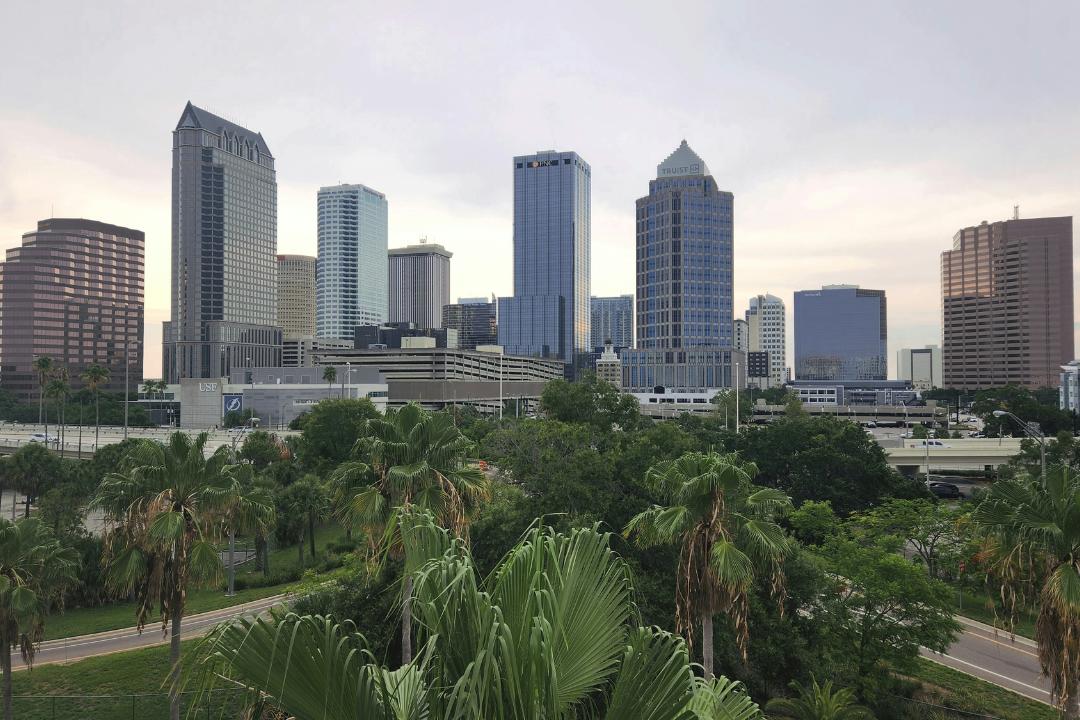
At HomeRiver Group, we manage growth with structure and discipline. Our teams align leasing, maintenance, and financial reporting through shared systems that scale across markets. Local operators apply market knowledge while centralized controls protect consistency, compliance, and service standards. Owners receive timely reporting, clear accountability, and operational decisions grounded in performance data, helping portfolios stay resilient as market conditions change without sacrificing service quality or response times for residents nationwide.
Tampa continues to attract employers, residents, and investment capital, reshaping demand patterns across neighborhoods. Navigating the Tampa housing market requires close attention to pricing shifts, inventory levels, and renter expectations, which fluctuate rapidly during periods of growth. A property management strategy must strike a balance between speed and accuracy, pairing a strong marketing reach with disciplined screening and maintenance coordination. Understanding how local regulations, seasonality, and migration trends intersect helps owners position assets competitively while protecting long-term performance amid evolving infrastructure and employment expansion pressures.
In this blog, we will explore the forces shaping the Tampa housing market, including growth trends, pricing dynamics, and operational considerations that influence how property owners and investors manage assets effectively in a rapidly expanding metro.

Rental Market Performance In Tampa’s Core Neighborhoods
Zooming in on Tampa’s most sought-after neighborhoods reveals both remarkable growth and a fiercely competitive environment for renters and investors alike.
High Demand And Premium Pricing In Downtown Areas
In downtown Tampa and Westshore, stabilized demand for high-end rentals has pushed average monthly rates to the top tier of the metro area, with new multifamily developments leasing up quickly despite premium pricing. As major employers and cultural destinations cluster in these districts, vacancy rates have hovered well below the national average, even accounting for the new inventory coming online.
Strong Retention In Established Residential Districts
South Tampa, with its blend of walkable streets, boutique retail, and historic charm, continues to set the pace for single-family home rentals. Long-term leases dominate this area, and record-low turnover rates indicate that tenant satisfaction is high, despite modest year-over-year rent growth. Meanwhile, emerging neighborhoods like Seminole Heights and Tampa Heights have undergone significant transformations over the last 18 months, offering improved infrastructure and a surge in build-to-rent projects. These developments cater to professionals and young families priced out of more established locales, contributing to a steady climb in both occupancy and monthly rent figures.
Balanced Supply And Demand In North Tampa
Across North Tampa, including University Square and Carrollwood, the market reflects a more balanced dynamic. Here, new supply and a larger inventory of affordable multifamily units keep rent escalations measured, appealing to a diverse range of renters, from students to families. The resilience of occupancy rates in all these submarkets highlights Tampa’s broad-based demand fundamentals, underscoring strong prospects for both landlords and renters navigating one of Florida’s fastest-growing metros.
Tampa’s Population Boom And Housing Demand
Tampa has risen to national attention as one of the country’s fastest-growing metros, fueled by a steady stream of newcomers seeking better opportunities, warm weather, and vibrant city life.
Census Data And Ongoing Population Increases
According to the U.S. Census Bureau, the Tampa metropolitan area has experienced robust population gains year-over-year, adding tens of thousands of residents as individuals and families relocate from both within Florida and other states. This consistent demographic surge is directly impacting local housing dynamics.
Housing Supply Pressure And Market Competition
Rising demand for homes, both for purchase and for rent, has put significant pressure on inventory. Existing listings are quickly absorbed, and new developments aim to keep up, often selling out before the final nail is hammered. For renters, the influx of new residents intensifies the competition for quality housing, resulting in upward pressure on rents and shorter market times across all property types.
Economic Diversity Driving Housing Demand
Moreover, the region’s economic expansion is not limited to one industry. Tampa benefits from a diverse economic base, with strong showings in healthcare, finance, technology, and tourism. This economic diversity draws a broad cross-section of residents who bring varying expectations and preferences to the housing market. The result is a dynamic market with complex supply-and-demand pressures, where every uptick in population further tightens the availability of single-family homes, condos, and rental properties alike.
Adapting To A Rapidly Evolving Housing Market
For both property owners and prospective tenants, navigating these evolving trends means staying attuned to shifting neighborhood popularity, new construction projects, and the rapidly changing rental landscape. As more people choose Tampa as their new home, finding and managing the right property requires more foresight and adaptability than ever before.
Choosing The Right Property Class For Long-Term Appreciation
Acing in the Tampa housing market involves understanding the type of property that best aligns with your long-term investment goals. Properties in Tampa generally fall into three major categories: Class A, Class B, and Class C, each offering distinct advantages and challenges for owners and investors.
Evaluating Class A Properties For Stability
Class A properties are typically new builds, located in prime neighborhoods with top-tier amenities. These properties attract high-income tenants and often command premium rental rates. They also tend to require less immediate maintenance, but the initial purchase price is usually higher. While Class A properties present a lower risk, their strong appreciation potential relies on continued economic growth and stable local demand.
Balancing Value And Growth With Class B Assets
Class B properties strike a balance between cost and value. Often older but well-maintained, these buildings are situated in solid neighborhoods with access to schools, retail, and employment opportunities. They appeal to middle-income tenants, offering steady occupancy and cash flow. Value-add opportunities, such as minor renovations or operational improvements, can further increase both rental income and property value over time, making Class B a favorite among investors seeking strategic appreciation.
Managing Risk And Returns With Class C Properties
Class C properties offer a lower entry price point and are typically located in less desirable areas. While they may generate higher yields on paper, they tend to attract tenants with higher turnover risk and may face more frequent maintenance issues. Successfully managing Class C assets in Tampa requires a hands-on approach and careful calculation of repair costs versus future appreciation.
Aligning Property Class With Long-Term Investment Goals
Ultimately, the key to long-term appreciation in Tampa is thorough market analysis, a realistic assessment of operating costs, and selecting a property class that aligns with both the investment timeline and risk tolerance. Investors who study local trends, from neighborhood revitalization to population growth, position themselves to maximize returns while minimizing surprises down the line.
Leveraging Tax Advantages Specific To Florida Real Estate
Florida’s reputation as a magnet for property investors is rooted in tangible, market-moving tax advantages that influence buying, holding, and selling decisions in the Tampa housing market.
No State Income Tax On Rental Earnings: Florida does not impose a personal state income tax, allowing rental income to flow directly to property owners without additional state deductions, improving cash flow and strengthening overall investment performance in competitive markets like Tampa.
Homestead Exemption & Property Tax Relief: Florida’s homestead exemption reduces taxable property value for qualifying primary residences and limits annual tax increases, providing long-term property tax stability for owners who live in or base their portfolios within the state.
Save Our Homes Cap For Predictable Tax Growth: The Save Our Homes provision limits how much a homesteaded property’s assessed value can increase each year, helping owners manage expenses and forecast costs more accurately during periods of rapid market appreciation.
Simplified Capital Gains Exposure At Sale: When selling property, Florida investors are subject only to federal capital gains taxes, as no state-level income tax applies, making portfolio adjustments, reinvestment strategies, and asset repositioning more financially efficient.
Strategic Planning Through Tax Savvy Oversight: Collaborating with professionals knowledgeable about Florida real estate tax regulations enables owners to apply exemptions accurately, design effective ownership structures, and align operational decisions with long-term financial objectives in the Tampa housing market.
Seasonal Patterns Every Tampa Property Owner Should Track
Tampa’s housing market, while robust, offers fluctuating opportunities and challenges dictated by seasonal shifts. Understanding these cyclical trends is crucial for property owners who want to maximize returns and minimize vacancies.
Peak Demand During Spring And Summer
The busiest rental months in Tampa typically run from late spring through the end of summer. Warmer weather and school breaks fuel a surge in relocation and leasing activity, driving up both occupancy rates and rental prices. Owners benefit by aligning lease renewals or listings with these months, when prospective tenants are highly active and willing to compete for scarce inventory.
Hurricane Season Considerations
From June through November, Tampa’s location on the Gulf Coast necessitates increased attention to property preparedness. Storms can bring sudden maintenance needs, insurance claims, and potential delays in leasing or sales. Owners who plan, inspect roofs, secure landscaping, and review insurance policies are better positioned to weather any disruptions and protect asset value.
Slower Activity In Fall And Winter
Rental inquiries and home purchases tend to slow from October through February. Transplants and families have already settled in, while holiday commitments and the start of the school year reduce turnover. During this lull, savvy property owners focus on preventative maintenance, capital improvements, and strategic marketing. This ensures properties are refreshed and positioned for renewed interest come spring.
Market Shifts Driven By Tourism
Tampa’s economy is uniquely influenced by seasonal tourism. Short-term rental demand spikes during festivals, sporting events, and winter holidays. Owners who diversify property strategies, balancing long-term leases with short-term opportunities, can capitalize on increased tourist traffic without compromising year-round occupancy.

Final Thoughts
The Tampa housing market continues to impress with its dynamism and potential, drawing both renters and buyers seeking stability and opportunities for growth. As Florida’s fastest-growing metro, demand for quality homes and seamless living experiences has never been higher.
Guided by deep local knowledge and a robust national infrastructure, HomeRiver Group stands uniquely positioned to support property owners and residents through every turn of this exciting market.
Strategic property management maximizes long-term value for owners while delivering exceptional living standards for tenants. At HomeRiver Group, we leverage real-time data, local market trends, and transparent communication to keep investments secure and residents satisfied. This comprehensive approach enables our clients to capitalize on Tampa’s growth while avoiding common pitfalls associated with such a competitive environment.
Leaning on partners with proven experience can make all the difference in protecting your investment and ensuring you’re poised to make the most of every opportunity.
Frequently Asked Questions About Tampa Housing Market
How has Tampa's population growth impacted real estate demand?
Tampa’s rapid population growth is a cornerstone of its rising real estate demand. With a steady influx of new residents seeking housing, rental, and purchase demand has remained robust. This trend has helped sustain strong occupancy rates and provided stability for both owners and tenants. As a national property management company, HomeRiver Group sees firsthand how Tampa’s growth fuels vibrant rental activity year-round.
How competitive is the Tampa rental market for investors?
Tampa’s rental market has proven highly attractive and competitive for investors. Record-low vacancies, rising rent prices, and consistent tenant demand provide a solid foundation for stable cash flow and long-term appreciation. Investors looking to enter or expand their Tampa portfolio can benefit from having on-the-ground expertise, such as HomeRiver Group’s local market specialists, to identify the best assets and streamline leasing processes.
How does Tampa's property appreciation compare to other Florida metros?
Property appreciation in Tampa has outpaced that of many peer metropolitan areas in Florida. The area’s sustained job growth, population increases, and desirable lifestyle have propelled competitive price gains. While some cities, like Miami and Orlando, also appreciate rapid growth, Tampa’s comparatively lower entry prices and consistent upward trend make it a standout for value-driven investors.
Are there any new construction trends in Tampa?
Tampa’s construction boom includes modern multifamily communities, mixed-use developments, and single-family build-to-rent projects. As demand for urban amenities and community-focused living grows, developers are responding with innovative floor plans, energy-efficient upgrades, and flexible communal spaces, appealing to both renters and buyers alike.
Which Tampa neighborhoods offer the best investment opportunities?
Neighborhoods like Seminole Heights, Westshore, and Hyde Park consistently attract investor attention due to their blend of affordability, location, and appreciation potential. Additionally, emerging areas in north and east Tampa are experiencing infrastructure improvements and increasing rental demand, providing investors with more options to diversify their portfolios.
What are the average rental yields in Tampa?
Average gross rental yields in Tampa typically range from 6% to 8%, depending on property type and location. Single-family homes, especially in established neighborhoods, continue to generate healthy yields, while multifamily and build-to-rent properties are also performing strongly.