

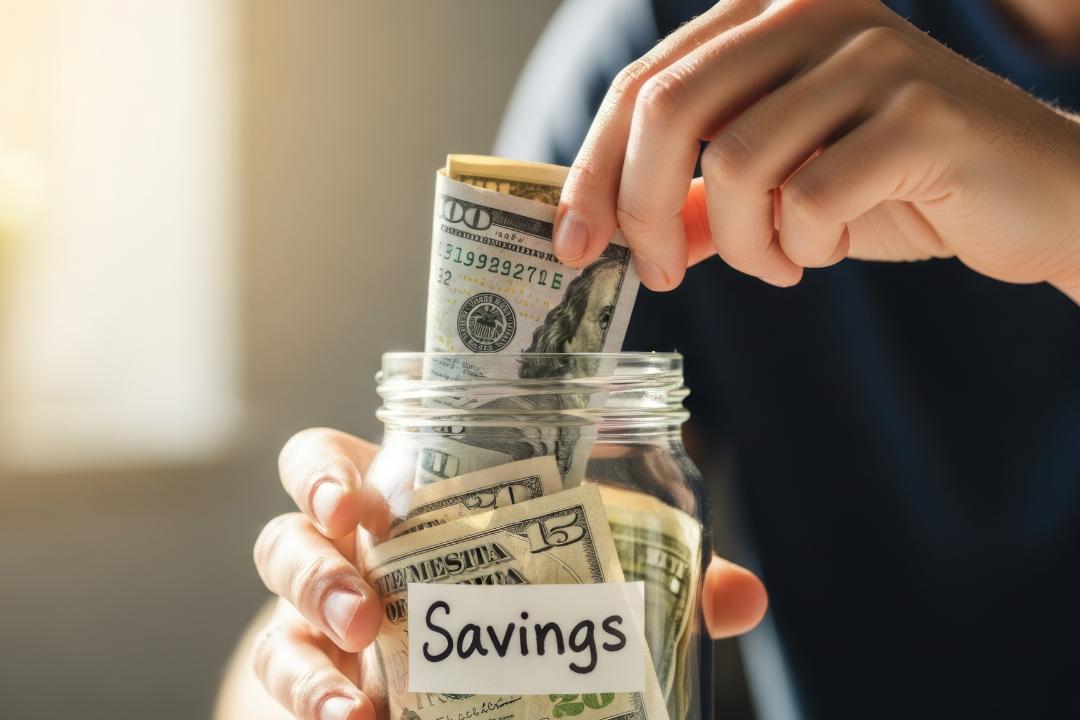
Stability is one of the most valuable assets in rental property ownership.
High turnover can quietly drain your profits through vacancy gaps, cleaning costs, repairs, and marketing expenses. Strong tenant retention helps you avoid disruptions while generating more predictable income and fewer operational headaches. When residents choose to stay year after year, you benefit from consistent rent payments and reduced wear and tear that often come with frequent move-ins and move-outs.
At HomeRiver Group, we prioritize tenant retention because long-term residents protect your bottom line. Through responsive service, proactive communication, and thoughtful lease management, we help you build lasting relationships that support steady performance and lower overall costs.

Proactive Communication That Keeps Tenants Engaged
Clear, consistent communication is a cornerstone of tenant retention. Tenants who feel informed and valued are far more likely to renew their leases, and proactive outreach plays a crucial role in that outcome. Regular updates about property maintenance schedules, policy adjustments, safety reminders, or local community information demonstrate that the property is actively and professionally managed.
Preventing Issues Through Transparency And Responsiveness
Transparent communication reduces misunderstandings and builds trust over time. Prompt responses to questions, maintenance requests, or billing concerns reinforce tenant confidence in management. When communication channels remain open and reliable, residents are more likely to raise concerns early, allowing small issues to be resolved before they escalate into costly disputes or dissatisfaction. Establishing clear processes about how to handle tenant complaints further strengthens trust and reduces avoidable turnover.
Leveraging Digital Tools For Ongoing Engagement
Using structured digital communication tools such as email notifications, resident portals, and secure messaging platforms keeps tenants informed and organized. Automated reminders, service updates, and policy confirmations reduce confusion and improve accountability. Consistent, courteous interactions strengthen the tenant’s connection to the property, increasing the likelihood of lease renewal and long-term residency.
Reinforcing Professional Standards Through Communication
Effective communication also sets expectations. Clearly outlining response timelines, service procedures, and community guidelines helps create a stable and predictable living environment. When residents experience reliability and professionalism at every touchpoint, they associate their positive experience with the property itself, supporting stronger retention and overall portfolio stability.
Data Driven Screening For Long Term Fit
Tenant retention depends on selecting renters who demonstrate both reliability and long-term stability. Traditional intuition based screening has largely been replaced by structured, data-driven evaluation methods. Modern tools analyze credit history trends, rental performance records, and financial patterns to build a comprehensive profile of each applicant.
Evaluating Quantitative And Behavioral Indicators
Through statistical analysis and verified background checks, property managers can identify applicants whose profiles align with sustained tenancy. Consistent employment, documented on-time payments, and a stable residential history are strong indicators. Behavioral signals, such as responsiveness, reference quality, and communication patterns, also provide measurable insights into long-term fit.
Reducing Turnover Through Predictive Screening
Comprehensive screening reduces exposure to frequent turnover by placing qualified residents who are more likely to honor lease commitments. Stable tenants limit vacancy periods, decrease marketing expenses, and reduce make-ready costs. Investing in structured tenant evaluation processes strengthens occupancy performance and supports predictable income growth across the portfolio.
Personalized Service From Move-In To Renewal
Consistency and reliability set the foundation for lasting tenant relationships. A tailored approach that considers each resident’s needs from the start builds trust and long-term satisfaction. Every interaction, from move-in orientation to service coordination, shapes the overall experience. When residents feel respected and valued, their likelihood of lease renewal increases significantly.
Delivering Responsive Communication And Proactive Maintenance
Prompt communication and proactive maintenance are central to personalized service. Addressing questions quickly, resolving repair requests efficiently, and conducting routine property check-ins reinforce confidence in management. A structured approach to rental property maintenance ensures issues are addressed before they become disruptive, demonstrating consistent attention to property condition and resident comfort.
Building Long-Term Retention Through Service Quality
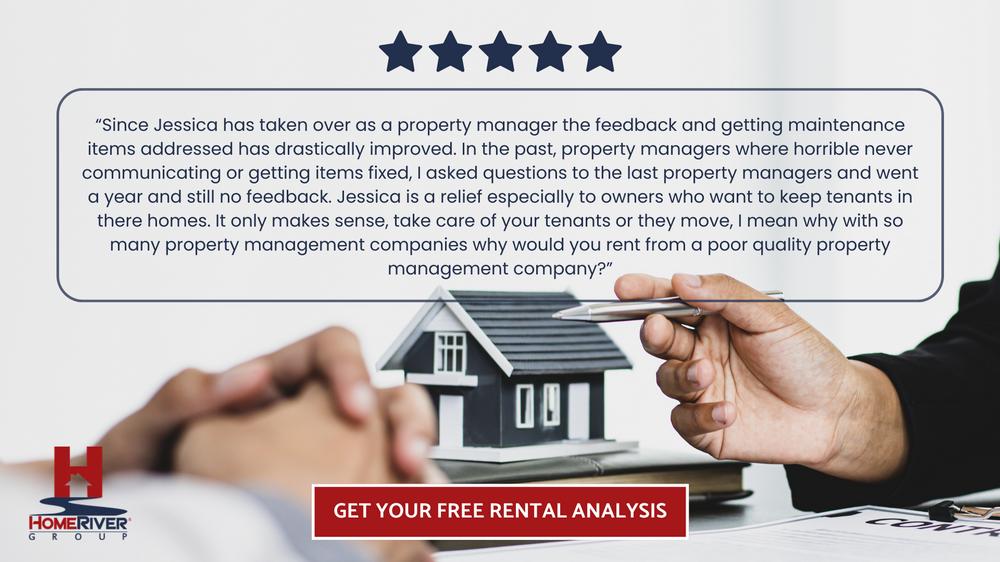
The benefits of consistent, resident-centered service become evident over time. Tenants who experience responsive management and reliable upkeep are less inclined to relocate. Clear service standards, defined response times for emergency maintenance, and well-documented landlord maintenance responsibilities reinforce accountability and reduce uncertainty, strengthening long-term tenant retention.
Green Improvements Tenants Appreciate
Sustainable features are no longer just a talking point; they directly influence tenant satisfaction and renewal decisions. Many renters actively seek homes that align with environmentally responsible values. Properties that incorporate thoughtful green improvements offer enhanced comfort, lower utility costs, and a modern living experience that appeals to long-term residents.
Energy Efficient Appliances And Smart Technology
Energy-efficient appliances consistently rank among the most appreciated upgrades. High-efficiency refrigerators, washers, and dishwashers reduce monthly utility costs while improving performance reliability. LED lighting, smart thermostats, and programmable climate controls offer both savings and convenience. These features allow residents to manage energy use effectively while maintaining comfort year-round.
Water Conservation And Resource Efficiency
Water-saving upgrades are increasingly important to today’s renters. Low-flow showerheads, efficient faucets, and dual flush toilets significantly reduce water consumption without sacrificing performance. Drought-tolerant landscaping and efficient irrigation systems further support sustainability goals. These improvements demonstrate responsible property management while lowering operating expenses over time.
Everyday Sustainability Features That Add Value
Simple yet intentional enhancements such as accessible recycling programs, designated compost areas, or native plant landscaping reinforce environmental responsibility. Proper insulation, energy-efficient windows, and routine system maintenance also contribute to long-term efficiency. When tenants observe consistent investment in sustainable features, the property stands out as a well-managed, forward-thinking place to live, strengthening retention and long-term occupancy stability.
Flexible Lease Options Without Added Risk
Offering flexible lease options has become a critical strategy for encouraging tenant retention in today’s rental market. Alternatives such as month-to-month agreements, structured early termination clauses, or renewal incentives respond to shifting renter priorities. These adaptable structures help maintain occupancy stability while aligning lease terms with evolving lifestyle and employment circumstances.
Reducing Vacancy Through Strategic Flexibility
Flexibility allows renters to navigate relocations, career changes, or personal transitions without feeling restricted by rigid lease terms. When agreements accommodate reasonable adjustments, tenants are more likely to remain in place rather than relocate. This approach reduces vacancy gaps, turnover expenses, and marketing costs that negatively affect operating margins and overall portfolio performance.
Managing Risk With Clear Policies And Protections
Flexible leasing does not require assuming unnecessary risk. Thorough screening, defined renewal timelines, structured notice requirements, and documented early exit terms create clarity for both parties. Lease agreements should outline fees, notice periods, and responsibilities in detail. Clear documentation minimizes legal ambiguity, supports enforceability, and protects owners from unexpected exposure, particularly when aligned with professional property management services standards.
Balancing Adaptability With Financial Stability
Well-designed flexibility enhances retention while preserving predictable cash flow. Offering tiered lease lengths with appropriate pricing adjustments can offset short-term variability. Structured communication, transparent policies, and consistent enforcement maintain professionalism and reduce friction during transitions.
Strengthening Long-Term Tenant Relationships
Adaptable lease terms signal responsiveness and professionalism. When residents feel supported rather than restricted, satisfaction improves and the likelihood of renewal increases. Providing structured flexibility fosters cooperative relationships, supports stable occupancy, and reinforces a mutually beneficial tenancy built on clarity and trust.
Measuring Retention Success With Key Metrics
Tracking tenant retention goes far beyond simply counting heads on a lease renewal list. Successful property management requires a data-driven approach, leveraging the right analytics to evaluate both the health of tenant relationships and the effectiveness of service delivery.
Track Tenant Turnover Rate Regularly: Monitor the percentage of residents who move out within a defined timeframe. A consistently low turnover rate indicates strong retention performance, reduced marketing costs, and stable occupancy levels that protect net operating income.
Measure Average Lease Duration Trends: Evaluate the average length of stay across your portfolio. Longer lease durations signal resident satisfaction and operational stability. Extended tenancy reduces make-ready expenses, limits downtime, and improves long-term financial forecasting accuracy.
Analyze Lease Renewal Rate Performance: Calculate the percentage of tenants who accept renewal offers at the end of their lease term. High renewal rates reflect effective communication, competitive pricing, and responsive management practices that support ongoing occupancy consistency.
Monitor Maintenance Response & Resolution Times: Track how quickly service requests are acknowledged and resolved. Faster response and completion times directly influence tenant satisfaction. Reliable maintenance performance strengthens retention potential and minimizes preventable turnover driven by unresolved issues.
Evaluate Resident Satisfaction & Feedback Scores: Use structured surveys and feedback tools to measure resident experience. Consistently positive satisfaction scores often predict stronger renewal outcomes. Negative trends provide early warning signals that allow corrective action before occupancy is impacted.
Assess Revenue Stability & Retention Impact: Review how retention metrics influence overall income stability and forecasting reliability. Strong retention performance reduces turnover-related expenses, improves budget predictability, and supports long-term portfolio growth through consistent occupancy.
By regularly collecting and analyzing these metrics, property owners and managers can proactively address concerns, innovate on services, and ultimately foster communities where tenants want to stay.
Final Thoughts
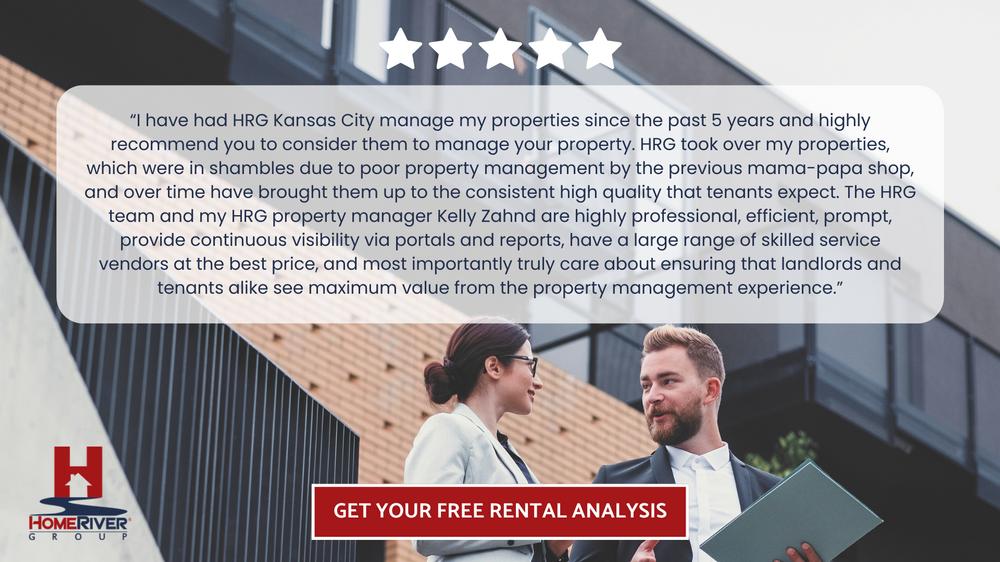
Tenant retention is a crucial cost-saving strategy for property owners and managers. At HomeRiver Group, we’ve seen the advantages firsthand: a portfolio of satisfied, long-term tenants leads to stable cash flow, lower turnover expenses, and less time spent on vacant units. Every move-out initiates a cycle of repairs, marketing, and screening, all of which cut into profitability and demand valuable time and attention. In contrast, building constructive relationships with tenants fosters loyalty and trust, supporting a positive reputation throughout the local rental market.
Prioritizing tenant retention also means you’re investing in your community. Long-term tenants help shape stronger, more connected neighborhoods, reducing disruption and creating a win-win scenario for everyone involved. For renters, staying in a home they love increases satisfaction; for property owners and managers, predictable income and well-cared-for properties result in a more resilient investment.
At HomeRiver Group, our commitment to exceptional service and local expertise is at the core of our tenant retention efforts. By focusing on transparent communication, timely maintenance, and respect for every resident, we ensure that your property and your tenants remain our top priorities.
Your long-term success starts with tenants who are happy to stay year after year.
Frequently Asked Questions About Tenant Retention
What is tenant retention?
Tenant retention is the ability to keep high-quality renters in your property for extended periods. At HomeRiver Group, maintaining tenant retention means building relationships and delivering consistent service to encourage tenants to renew their leases year after year.
How does tenant retention impact property management costs?
Tenant retention directly reduces the recurring costs associated with filling vacancies. When tenants stay longer, you avoid expenses like marketing, screening, and preparing units for new renters. Lower turnover translates to more predictable income and reduced operational disruption for property owners.
What are the financial benefits of keeping long-term tenants?
Long-term tenants bring reliable cash flow and fewer vacancy gaps. Consistent tenancies lower maintenance costs related to move-ins and move-outs and limit the need for frequent renovations. This stability is essential in maximizing net operating income on any rental property.
What are common costs associated with tenant turnover?
Tenant turnover involves a range of expenses, including advertising a vacancy, conducting showings, and processing applications. Other costs include property cleaning, repairs, lost rent during vacant periods, and staff time required to onboard new tenants. Frequent turnover can significantly cut into a property's profitability.
How do long-term tenants increase property profitability?
Long-term tenants help reduce expenses and ensure a steady stream of rental income. Because there’s less need for extensive repairs and marketing, property owners can reallocate resources to property improvements and portfolio growth. This reliability helps drive overall returns.
What role does tenant satisfaction play in retention?
Tenant satisfaction is crucial to retention rates. Satisfied tenants are more likely to renew their leases, communicate positively, and care for their homes. Prioritizing exceptional service and prompt maintenance creates a sense of loyalty and trust—a core part of HomeRiver Group’s approach.
How does good communication affect tenant retention?
Effective communication builds trust and addresses concerns before they escalate. By keeping tenants informed about property updates and promptly responding to questions, property managers foster a collaborative environment. This transparency is a cornerstone of our service promise and helps keep tenants invested in renewing their leases.
How does tenant turnover affect landlords?
High tenant turnover disrupts cash flow and increases operational costs. Landlords face longer vacancy periods, added workload, and heavier maintenance demands. Protecting against turnover is vital to earning predictable returns and growing property investments, a commitment that defines HomeRiver Group's approach to each property.