


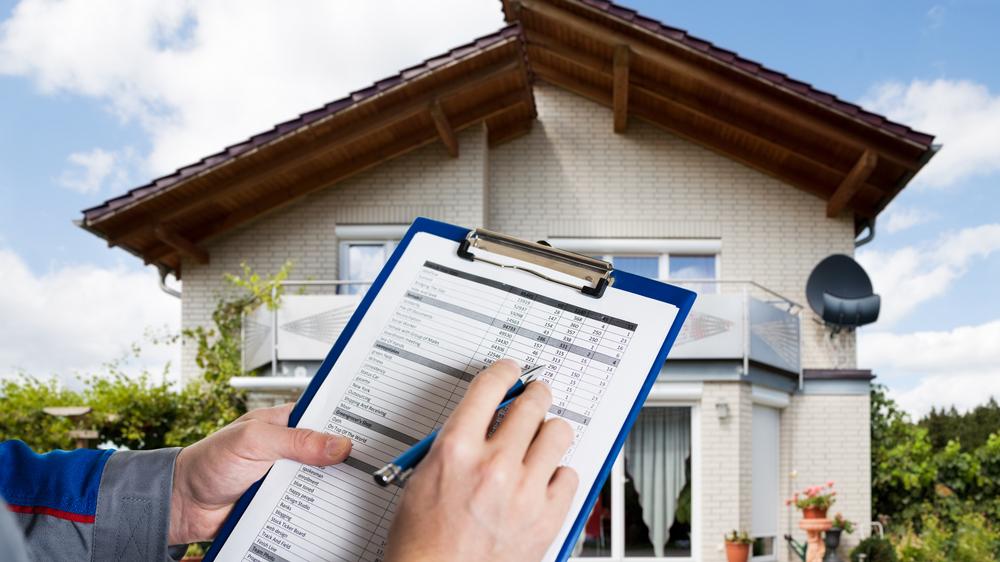
Regular inspections are a vital part of successful rental property management. They help keep the property in good condition, ensure lease terms are being followed, and allow issues to be addressed before they become expensive problems. Both owners and tenants benefit when inspections are handled consistently and professionally. This article looks at the practical side of inspections, what they cover, why they matter, and how they contribute to long-term property performance.
HomeRiver Group manages thousands of single-family and multifamily homes across the country, using consistent standards and proven systems. With local expertise backed by national resources, HomeRiver Group handles every aspect of property management, including maintenance, leasing, compliance, and inspections. Our team is trained to assess property condition accurately, document findings thoroughly, and help owners protect their investments at every stage.
Why Routine Rental Inspections Are Essential
Routine rental inspections serve as a foundation for protecting both the property and the investment behind it. Property managers use these inspections to identify issues early, enforce lease agreements, and ensure that tenants are maintaining the space appropriately. Without scheduled check-ins, small concerns can grow into expensive repairs that could have been avoided with timely attention.
For property owners, inspections offer a layer of accountability and help maintain asset value. They also support informed decision-making related to repairs, upgrades, and even rental pricing. A reliable inspection process helps reduce vacancy rates, minimize tenant disputes, and improve long-term returns. This is especially relevant when evaluating overall performance indicators such as the ROI on rental property.
From a tenant’s perspective, inspections promote clear communication and set expectations around upkeep. When handled professionally, inspections reassure residents that the property is safe and well-managed. This balance benefits both parties and creates the kind of transparency that HomeRiver Group prioritizes across all of its managed properties.

What Do Property Managers Look For During An Inspection?
Understanding what property managers check during an inspection helps owners stay ahead of costly repairs and ensures tenants meet their lease obligations. These inspections are structured, objective, and designed to document the property’s condition with accuracy. Here’s what HomeRiver Group professionals are trained to assess during each visit:
Interior Condition
The interior inspection covers walls, floors, ceilings, appliances, and fixtures. Property managers look for damage, cleanliness, and any signs of unauthorized alterations. This step helps distinguish between tenant damage vs normal wear and tear, ensuring accurate documentation and fair follow-up.
Safety And Compliance Features
This part of the inspection focuses on smoke detectors, carbon monoxide alarms, locks, window latches, and trip hazards. Property managers confirm the property complies with safety codes and local regulations. Identifying risks early helps prevent liability issues and improves tenant safety.
Evidence Of Lease Violations
Managers check for unauthorized pets, smoking, or extra occupants. These checks are done discreetly and professionally but are essential in upholding lease terms. By catching violations early, HomeRiver Group helps maintain a consistent and respectful rental environment.
Understanding The Rental Walk Through Checklist
A rental walk through checklist is a critical tool that guides both move-in and move-out inspections. It helps standardize what gets reviewed, reducing the chances of overlooking details or creating tenant disputes. HomeRiver Group uses this checklist to ensure consistency across every property it manages:
Move-In Documentation
At the start of a lease, the rental walk through checklist helps record the property’s exact condition. Each room is reviewed for cleanliness, existing damage, and functionality of appliances or fixtures. This establishes a clear baseline that protects both owners and tenants.
Routine Inspection Standards
During scheduled visits, property managers revisit many of the checklist items to track ongoing condition. From plumbing and HVAC systems to flooring and window seals, nothing is left to assumption. Consistency in these checks helps spot patterns of neglect or necessary upgrades.
Move-Out Comparisons
When a tenant vacates, the same rental walk through checklist is used to compare the unit’s current state to the move-in documentation. This allows managers to identify issues that go beyond tenant damage vs normal wear and tear. It also provides a fair, evidence-based foundation for handling security deposits.
Tenant Damage Vs Normal Wear And Tear
One of the most common points of confusion in rental management is understanding the difference between tenant damage vs normal wear and tear. Accurately identifying which is which is essential when determining repair responsibilities and managing security deposits fairly. HomeRiver Group trains its teams to recognize the nuances between acceptable aging and actual neglect:
What Qualifies As Normal Wear And Tear
Normal wear and tear refers to the gradual deterioration that happens from everyday use. This includes things like faded paint, minor carpet fraying, or loose doorknobs. These are expected over time and are not considered the tenant’s financial responsibility.
What Constitutes Tenant Damage
Tenant damage is caused by misuse, neglect, or intentional actions that go beyond standard use. Examples include large stains on carpets, broken windows, holes in walls, or missing appliances. Unlike wear and tear, these damages often result in deductions from the security deposit.
Why The Distinction Matters
Using the rental walk through checklist during move-in and move-out is key to making this distinction clearly and fairly. Documenting the property’s original condition helps avoid disputes and ensures tenants are held accountable only where appropriate. This process reinforces the professional standard that HomeRiver Group brings to every property.
How Rental Inspection Reports Help Owners And Tenants
Clear, well-documented inspection reports benefit both property owners and tenants. These reports provide a written and visual record that supports transparency, trust, and proactive maintenance planning. HomeRiver Group uses detailed reports to streamline communication and decision-making for everyone involved:
Transparency For Tenants
Inspection reports help tenants understand how the property is being evaluated and what is expected during their lease. They can review documented findings and respond to any maintenance issues or lease violations early. This fosters a respectful rental relationship built on clear communication.
Protection For Owners
Owners receive a full overview of the property's condition at key points in the lease cycle. These reports include notes, timestamps, and photos, making it easier to address issues before they become expensive problems. They also play a critical role in evaluating overall property performance, including insights tied to the cap rate formula.
Maintenance Planning And Budgeting
Regular reporting highlights patterns and recurring maintenance needs. By identifying wear trends or frequent tenant damage vs normal wear and tear, property owners can prioritize upgrades and plan budgets more effectively. This strategic approach is part of the value HomeRiver Group delivers through consistent, reliable oversight.
How HomeRiver Group Streamlines Property Inspections
HomeRiver Group takes a structured, technology-driven approach to property inspections that enhances efficiency and accuracy. By standardizing processes across all managed homes, the company ensures that each inspection delivers reliable, actionable information. This commitment to quality sets a strong foundation for long-term property performance and tenant satisfaction:
Trained Professionals Across Every Market
Every property manager at HomeRiver Group is trained to follow clear inspection protocols. This ensures that inspections are consistent whether you're working with a local team or managing properties in multiple states. Their attention to detail helps clearly separate tenant damage vs normal wear and tear, reducing disputes and improving outcomes.
Integrated Inspection Tools
HomeRiver Group uses digital tools to document findings with photos, notes, and timestamps. This information is easily accessible to owners and tenants, creating a transparent workflow. It also supports financial decision-making, including strategies for those learning how to analyze a rental property.
Preventive Care And Long-Term Value
Through routine use of the rental walk through checklist, HomeRiver Group identifies early signs of wear, needed upgrades, or potential compliance issues. This proactive care model reduces emergency repair costs and helps extend the life of property features. It's a smart way to protect your investment while providing quality housing.

Final Thoughts
Rental inspections are more than a formality, they are a critical part of protecting your property and maintaining strong tenant relationships. From identifying maintenance needs to enforcing lease terms, inspections give owners a clearer picture of how their investment is performing. With tools like the rental walk through checklist and professional oversight, these evaluations help ensure properties stay in excellent condition.
Understanding the difference between tenant damage vs normal wear and tear is essential in keeping the process fair for both owners and tenants. When inspections are well-documented, they reduce disputes, speed up maintenance planning, and support accurate accounting. That’s why structured inspections are a core part of long-term rental success.
HomeRiver Group brings national resources and local expertise to every inspection. Whether you're focused on day-to-day property care or researching what is a good cap rate for rental property, you’ll find that our process supports better decisions at every stage. Explore our full range of services to learn how we help owners manage smarter and invest with confidence.
Frequently Asked Questions About What Property Managers Check
What do property managers look for during an inspection if a unit is vacant?
When a unit is vacant, property managers inspect for signs of vandalism, leaks, pests, and overall security issues. They also verify that utilities are functioning and that the property is ready for showings.
Are property inspections legally required in all states?
No, rental inspections are not legally mandated in all states. However, many local housing codes require habitability checks, and landlords often conduct inspections to comply with lease agreements and protect their investment.
Can tenants refuse a property inspection?
Tenants generally cannot refuse a lawful inspection if it complies with the lease and proper notice is given. State laws often require 24 to 48 hours' notice unless it’s an emergency situation.
What happens if a tenant fails a rental inspection?
If a tenant fails an inspection due to lease violations or excessive damage, the property manager will typically issue a notice to correct the problem. Continued noncompliance may result in fines or lease termination.
How do seasonal changes affect rental inspections?
Seasonal changes prompt targeted checks, such as inspecting heating systems in winter or looking for water damage after heavy rains. These seasonal inspections help with preventive maintenance planning.
Do property managers check behind appliances during inspections?
Yes, in many cases, property managers will check behind appliances, especially during move-out inspections, to look for hidden damage, pests, or cleanliness issues.
Are tenants present during inspections?
Tenants are usually notified in advance and may be present during the inspection, but their presence is not always required. Some prefer to be there to ask questions or point out maintenance concerns.
Can photos from inspections be used in legal disputes?
Yes, photo documentation from inspections can serve as legal evidence in disputes over property condition, security deposits, or tenant liability. Accurate visual records help support claims.
How long does a typical rental inspection take?
A routine inspection generally takes 20 to 60 minutes, depending on the size of the property and the number of issues that need to be documented or followed up on.
What is the difference between an inspection and an appraisal?
An inspection focuses on the property's current condition, while an appraisal evaluates the property's market value. Property managers handle inspections, not appraisals.